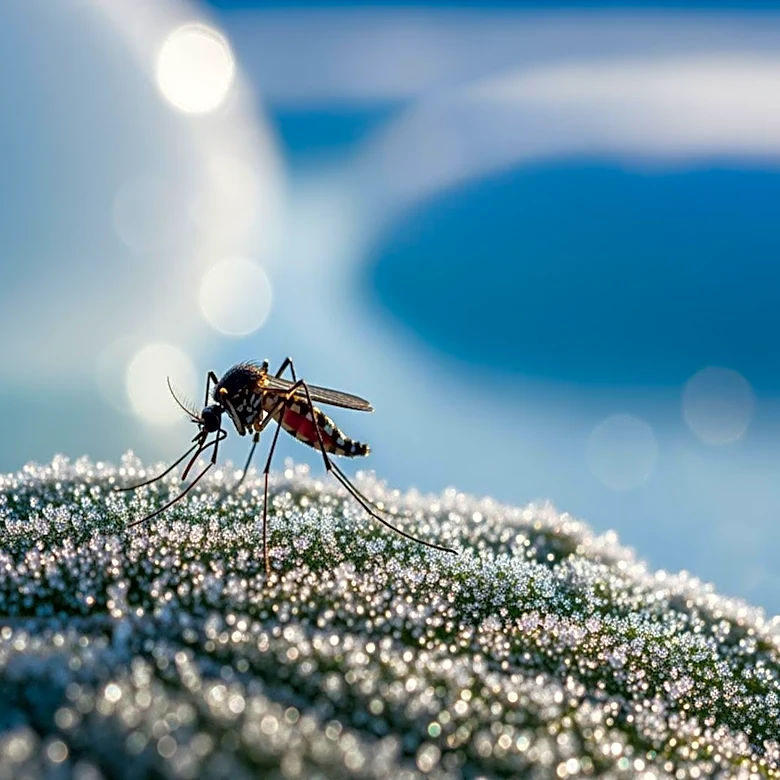
Mosquitoes Arrive in Iceland Amid Arctic Warming, Raising Ecological Concerns
For the first time, mosquitoes have been discovered in Iceland, marking a significant ecological shift as the Arctic region experiences warming temperatures. The presence of these insects, specifically the Culiseta annulata species, was confirmed in a garden near Reykjavik in 2025. This development is seen as a consequence of climate change and increased human activity in the Arctic. The arrival of mosquitoes poses potential threats to local wildlife, such as reindeer, which may expend more energy avoiding these pests, potentially affecting their health and reproduction. Additionally, increased insect activity could harm vegetation, as mosquitoes and other herbivorous insects may lead to outbreaks that damage plant life. Despite the ecological implications, there is currently no coordinated system to monitor arthropod populations across the Arctic, leaving scientists without crucial data to track these changes.