Biometric Authentication Faces Challenges with AI-Driven Spoofing Techniques
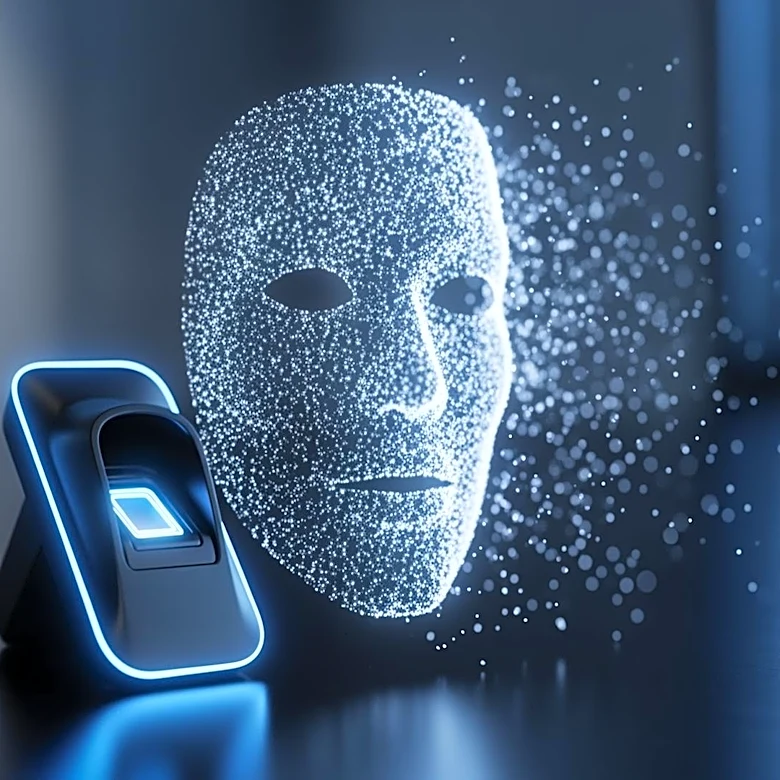
Recent advancements in generative AI have significantly impacted the field of biometric authentication, making it easier for attackers to impersonate users without needing to steal credentials or compromise infrastructure. The use of synthetic video, cloned voices, and high-quality biometric spoofs has increased, allowing identity-based attacks to become faster, cheaper, and more convincing. The World Economic Forum has highlighted the accessibility of tools that can copy voices, images, or videos with minimal technical skill, leading to a sharp rise in such attacks. Biometric systems, often seen as a solution, are vulnerable without liveness detection, which verifies that the biometric data comes from a live human interaction. Various attack techniques, such as presentation attacks, replay attacks, and deepfake impersonations, exploit these vulnerabilities. Liveness detection aims to counter these by analyzing depth, movement, and requiring real-time interaction, making it harder for attackers to pass off...