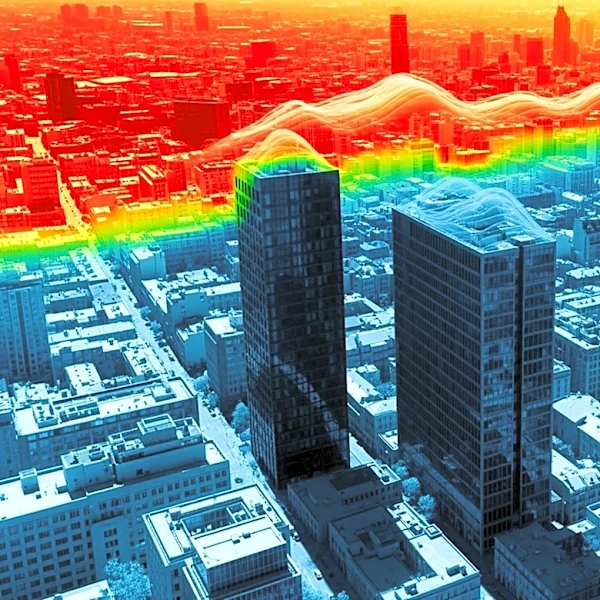
Urban Heat Pockets: A Growing Concern in City Environments
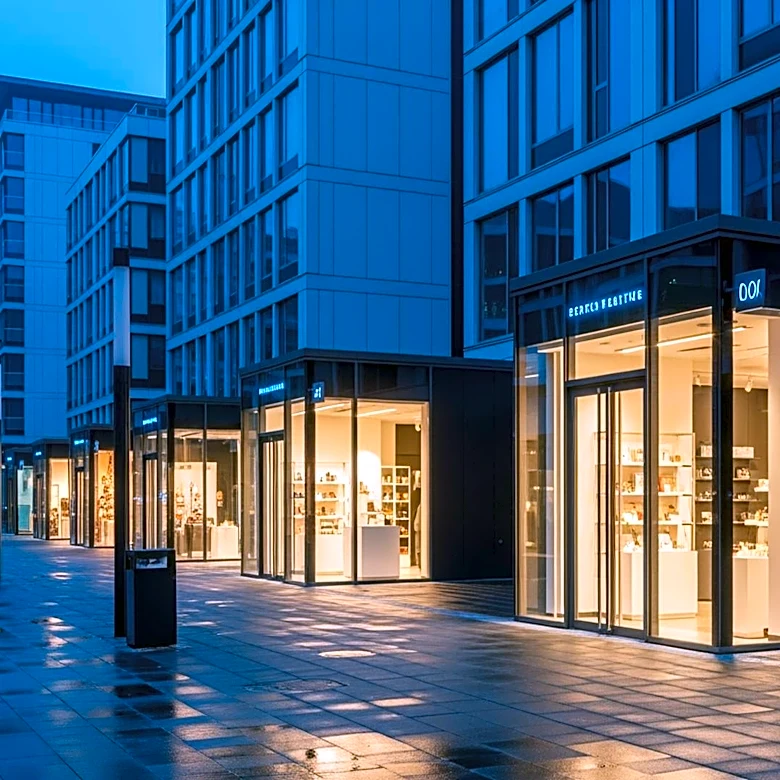
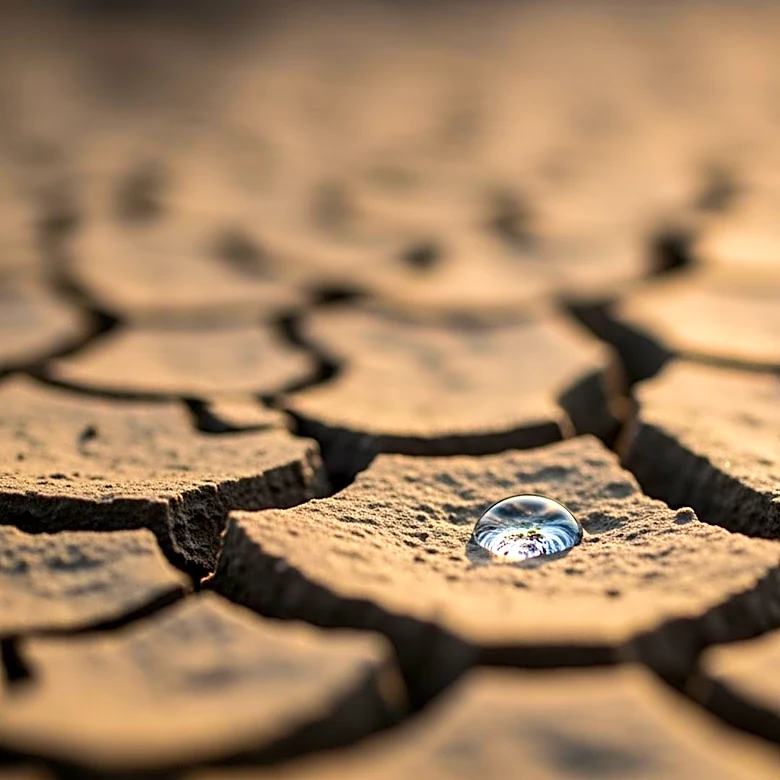
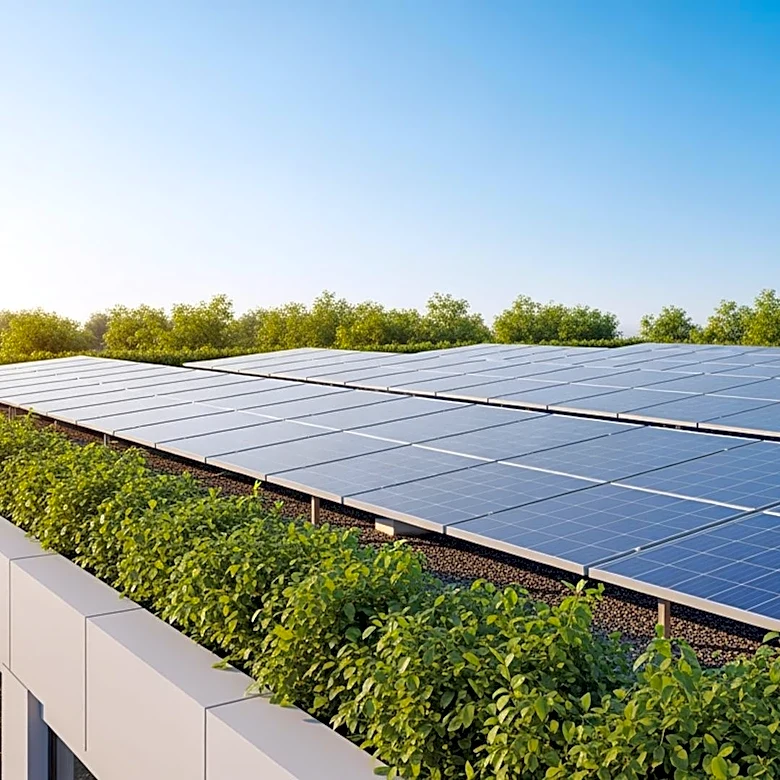
Urban heat pockets, also known as urban heat islands, are areas within cities that experience significantly higher temperatures than their rural surroundings. This phenomenon is primarily due to human activities and the concentration of buildings, roads, and other infrastructure that absorb and retain heat. The lack of vegetation and green spaces exacerbates the situation, as natural landscapes typically help to cool the environment. As cities continue to expand and develop, the intensity and frequency of these heat pockets are expected to increase, posing challenges for urban planning and public health. The rise in temperatures can lead to increased energy consumption, elevated emissions of air pollutants and greenhouse gases, and adverse health effects, particularly for vulnerable populations such as the elderly and those with pre-existing health conditions.