Climate Change Drives Spread of Vector-Borne Diseases, Impacting Global Health
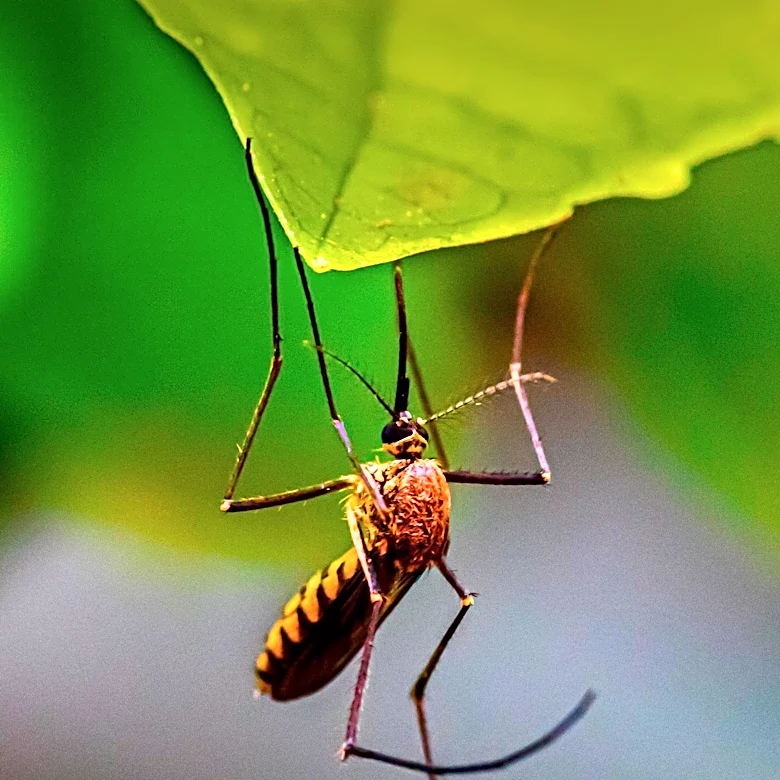
Climate change is significantly altering the dynamics of infectious diseases, particularly vector-borne diseases, which are transmitted by vectors such as mosquitoes and ticks. As global temperatures rise and weather patterns shift, these vectors are expanding their geographical ranges, leading to the spread of diseases like malaria, dengue fever, and Lyme disease into new areas. The increased frequency and intensity of extreme weather events, such as heavy rainfall and droughts, create favorable conditions for vector breeding and survival, thereby exacerbating the spread of these diseases. This phenomenon is not only affecting human health but also impacting animal and plant pathogens, contributing to a broader public health challenge.