1970s Convenience Foods and Nutrition Myths Linked to Long-Term Health Impacts
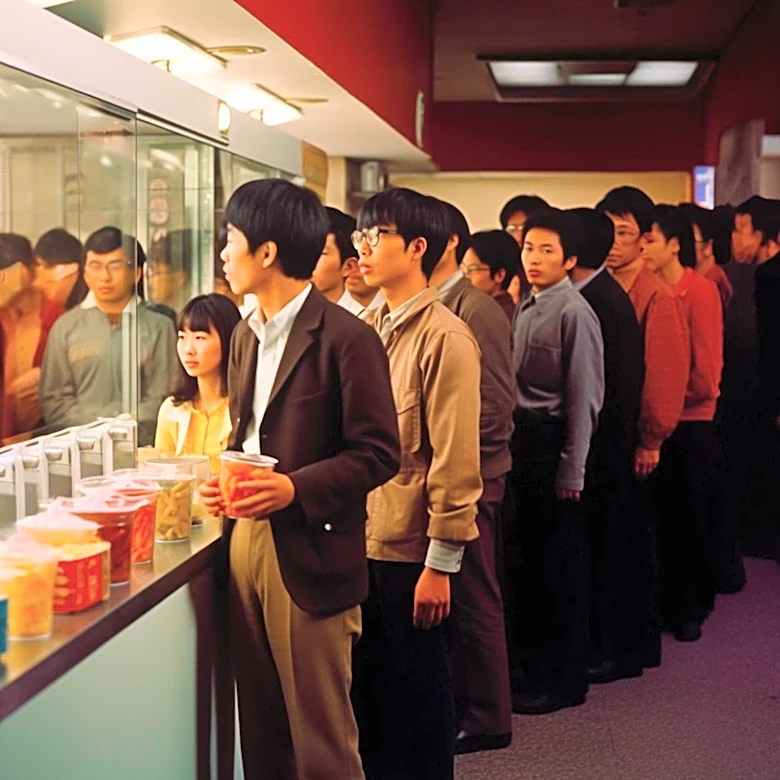
The 1970s saw a significant shift in American dietary habits, largely driven by an increasing number of mothers entering the workforce. This societal change led to a greater reliance on convenience foods, which were processed, frozen, dehydrated, or canned, making meal preparation easier for families. During this period, certain nutrition myths gained traction, such as the belief that high-fructose corn syrup, a more affordable and shelf-stable alternative to sugar, was not unhealthy. This ingredient became prevalent in many processed sweet treats, contributing to their abundance on grocery shelves. The era's fascination with space exploration and sports heroes also influenced popular food trends and marketing. These factors collectively shaped the food landscape, introducing a variety of processed snacks and meal replacements like Carnation Breakfast Bars, which were marketed as nutritious alternatives to traditional meals.