Deoxygenation in Inland Freshwater Systems: Impacts and Trends
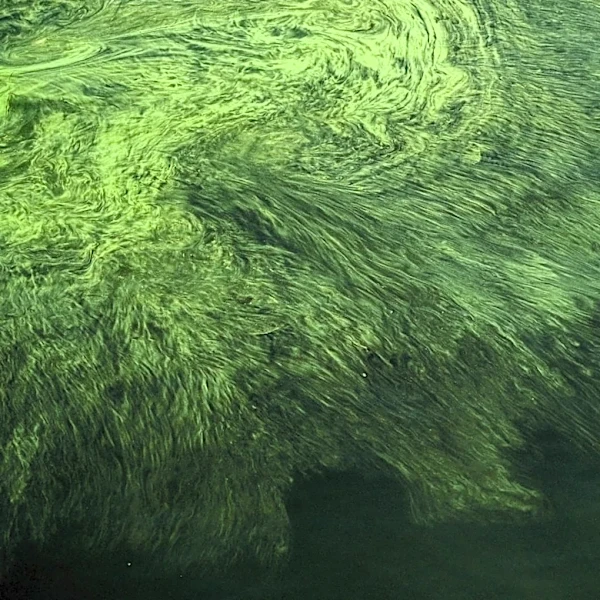
A recent study published in Nature highlights the growing issue of deoxygenation in inland freshwater systems, including lakes and rivers. This phenomenon, driven by climate change, agricultural runoff, and urbanization, is leading to reduced oxygen levels in water bodies worldwide. The research emphasizes that warming temperatures, increased nutrient loads, and altered hydrodynamic conditions are key contributors to this trend. Deoxygenation is particularly pronounced in regions experiencing frequent heatwaves and extreme weather events, which exacerbate oxygen depletion. The study also notes that hypoxia, or low oxygen conditions, is becoming more widespread in temperate lakes and rivers, with significant ecological and economic consequences. The Laurentian Great Lakes, including Lake Erie, are cited as examples where hypoxia has been linked to harmful algal blooms and fish kills.