U.S. Hospitality Industry Shifts Towards Mineral Sunscreen Due to Regulations and Consumer Demand
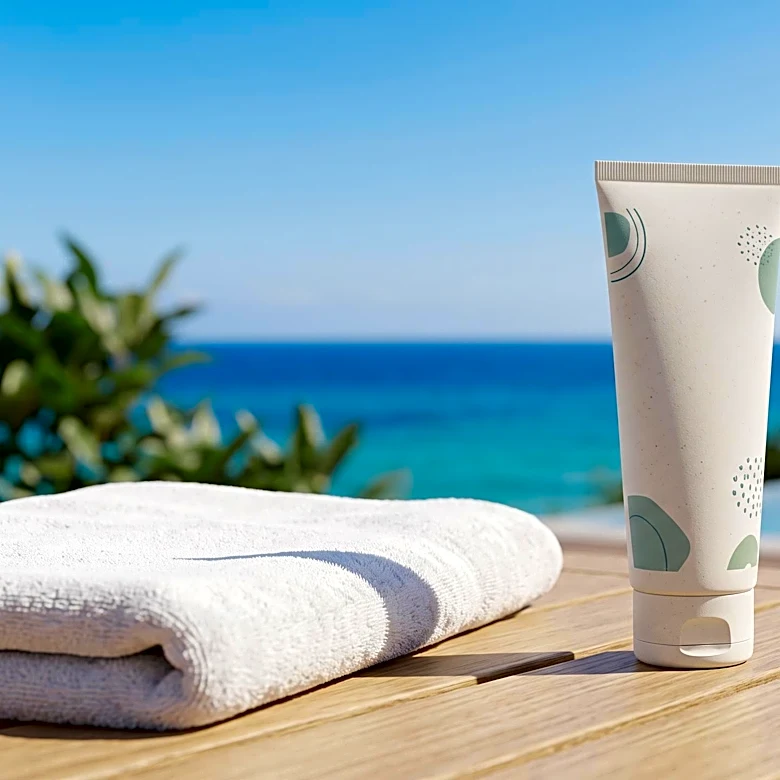
The U.S. hospitality industry, particularly resorts in Hawaii, the Florida Keys, and the Caribbean, is increasingly adopting mineral sunscreens. This shift is driven by both regulatory requirements and growing guest demand for reef-safe options. Mineral sunscreens, which use zinc oxide or titanium dioxide, physically block UV rays and are considered safer for sensitive skin and marine ecosystems compared to chemical sunscreens. The American Academy of Dermatology recommends using a full ounce of sunscreen for the entire body, an amount often underestimated by users. While SPF 30 blocks approximately 97% of UVB rays, SPF 50 blocks about 98%, offering enhanced protection for prolonged sun exposure or specific activities. The term 'reef-safe' lacks federal legal definition in the U.S., necessitating consumers to verify ingredient lists for harmful chemicals like oxybenzone and octinoxate. Project Reef, a brand committed to ocean-conscious sun protection, holds B Corp, Climate Neutral, and Ocean Positive certi...