New Algorithm Inspired by Astrocytes Achieves Breakthrough in Drift Detection
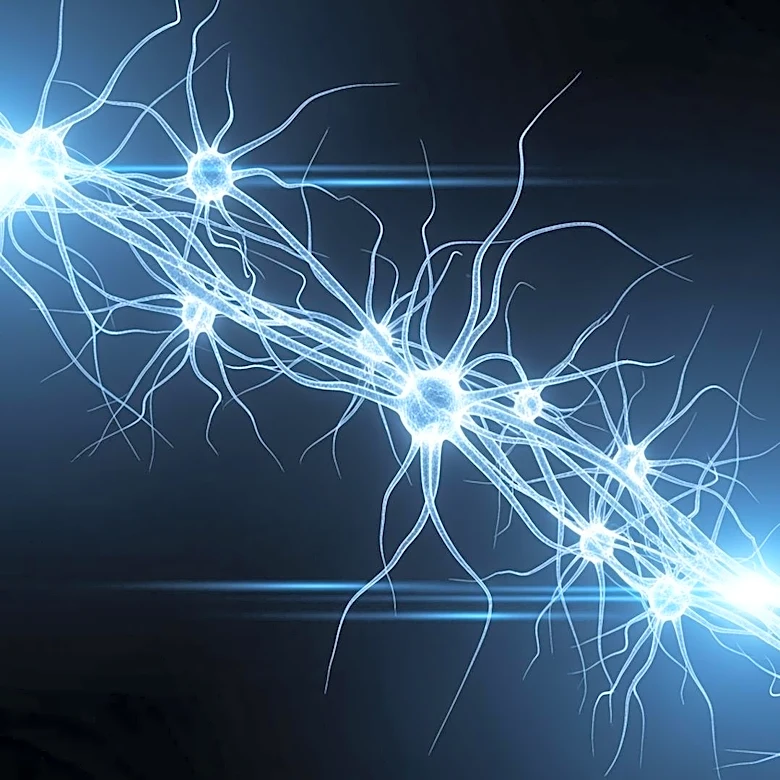
Researchers have developed a 'rhythmic sharing' algorithm inspired by the oscillatory behavior of astrocytes, which are support cells in the brain. This algorithm has demonstrated significant improvements in detecting subtle shifts in complex data streams, known as distributional drift. The research, conducted by Ian Whitehouse, Hoony Kang, and Wolfgang Losert, tested the algorithm on industrial datasets such as NASA C-MAPSS, SWaT, and WADI, achieving state-of-the-art F1-scores. The algorithm's core innovation lies in its sinusoidal variation of connections between computational nodes, enhancing sensitivity to data changes. This approach not only improves drift detection but also offers insights into potential applications in neuromorphic computing and understanding astrocytic network biology.