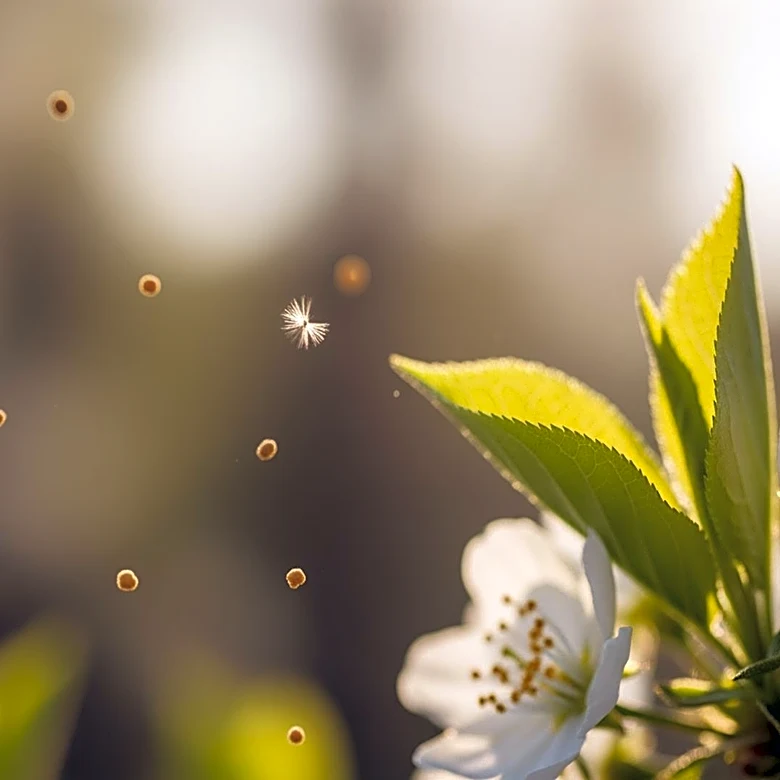
Longer Pollen Seasons Impacting Allergy Sufferers in North America
The pollen season in North America has extended by 20 days since 1990 due to warming global temperatures and more frequent extreme weather events, according to a 2021 study. This has resulted in longer and more intense allergy seasons, affecting both the United States and the United Kingdom. Seasonal allergies, also known as allergic rhinitis or hay fever, are typically triggered by tree pollen in spring, grass pollen in summer, and weed pollen in fall. Approximately 26% of adults in both countries suffer from seasonal allergies, along with 19% of children in the U.S. and 10-15% of children in the UK. Experts note that even individuals without allergies may experience respiratory irritation due to the prolonged pollen exposure.