Strait of Hormuz Standoff Highlights Vulnerability in Fossil Fuel Supply Chains
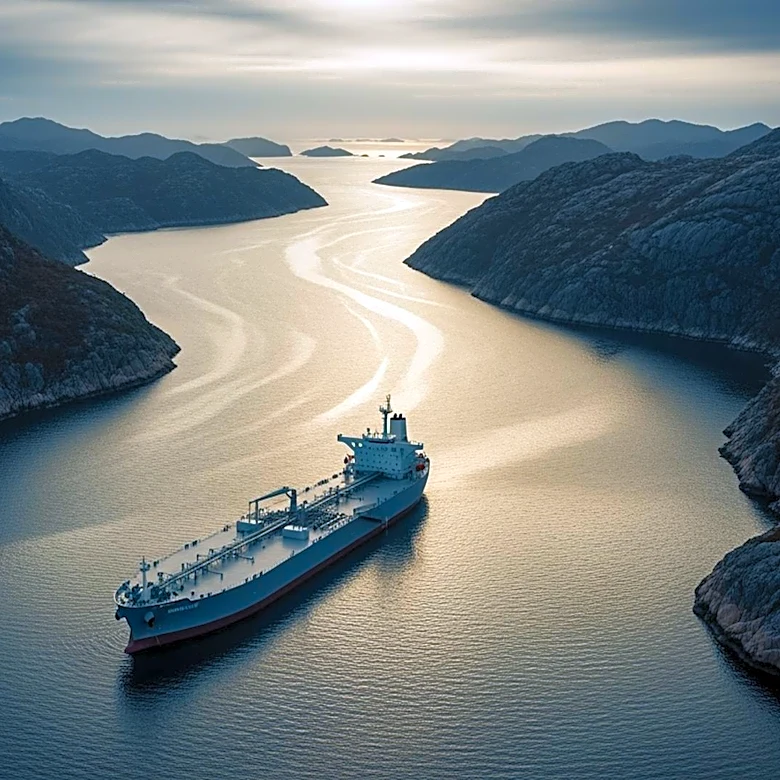
The ongoing conflict in the Middle East, particularly the closure of the Strait of Hormuz, has significantly impacted global energy security discussions. The Strait, a critical passage for about 20% of the world's oil and liquefied natural gas, has become a focal point due to geopolitical tensions. This situation has exposed the fragility of fossil fuel supply chains, traditionally considered more reliable than renewable energy sources. Energy experts and industry leaders, including those from Nordic energy companies Fortum and Statkraft, have emphasized the need to shift towards renewable energy, which is increasingly seen as a more stable and secure alternative. The current energy crisis is being compared to the oil shocks of the 1970s, but with the advantage of having viable renewable technologies like solar and wind power, supported by advancements in battery storage.