Supreme Court Considers Legality of Geofence Warrants Amid Privacy Concerns
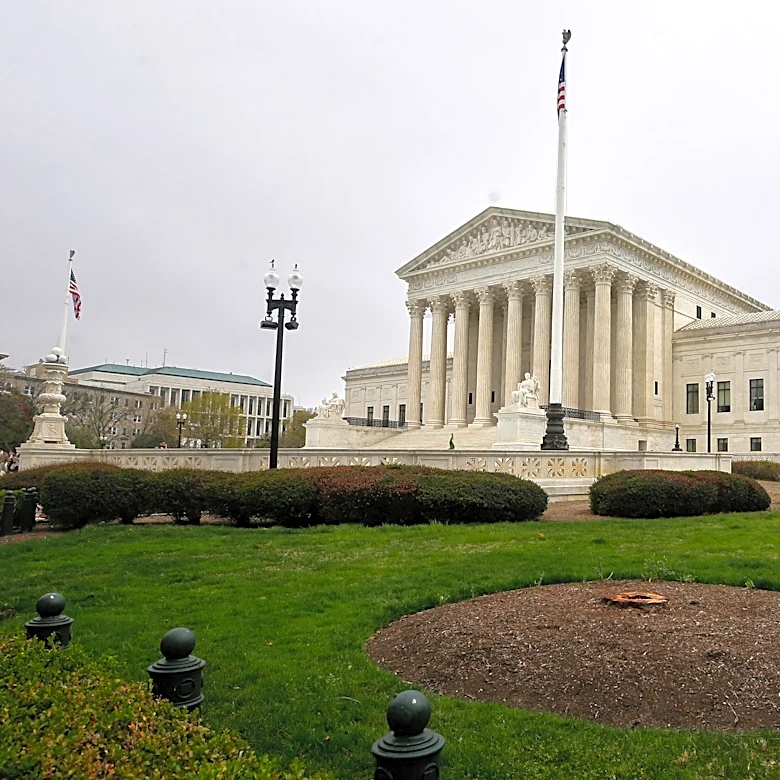
The Supreme Court is set to hear arguments regarding the legality of geofence warrants, which allow law enforcement to access location data from cellphones within a specific area and time frame. This case arises from a 2019 bank robbery in Virginia, where police used a geofence warrant to track the suspect's movements via Google location data. The suspect, Okello Chatrie, was identified and arrested after police obtained a search warrant for his home, where they found evidence linking him to the crime. The case has sparked debate over the Fourth Amendment, which protects against unreasonable searches and seizures. Critics argue that geofence warrants are akin to general warrants, which are prohibited by the Constitution, as they allow for broad data collection without specific suspicion. The Supreme Court's decision could have significant implications for digital privacy rights and law enforcement practices.