Vertical Gardens Offer Multifaceted Benefits for Urban Environments and Climate Resilience
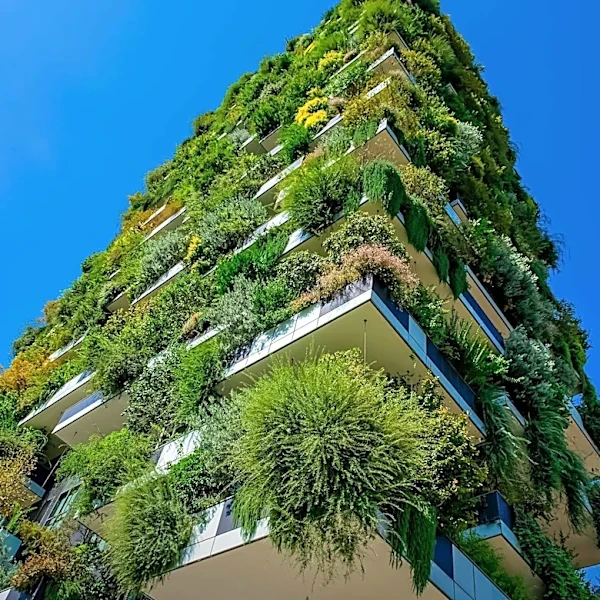
Vertical gardens, which involve supporting vegetation in a vertical arrangement on walls, freestanding structures, or purpose-designed systems, are gaining recognition for their diverse applications and benefits. These gardens can range from simple wooden frames with succulents to complex engineered living-wall systems. They are suitable for both indoor and outdoor settings, offering aesthetic and functional advantages. Beyond their visual appeal, vertical gardens are increasingly viewed as a significant tool in addressing climate change and enhancing urban living. Their design considerations include sunlight and wind exposure, plant selection, irrigation, drainage, waterproofing, and structural support. The choice of system, whether climbing plants on trellises or modular living walls, depends on factors such as the building type, climate, budget, and maintenance capabilities.