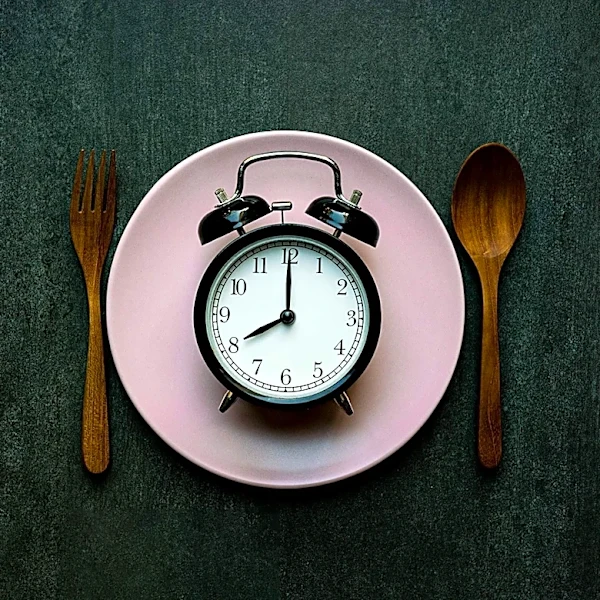
Research Links Irregular Meal Timing to Increased Cardiovascular Disease Risk
New research indicates that eating at inconsistent times, particularly between weekdays and weekends, is associated with an elevated risk of cardiovascular disease (CVD) and coronary heart disease (CHD). This phenomenon, termed 'eating jetlag' (EJL), suggests that discrepancies in meal timing can disrupt the body's internal clock, leading to adverse health outcomes. The study, conducted on a large sample of French adults, found that individuals with either advanced or delayed meal timing patterns on weekends compared to weekdays faced higher risks. These associations remained significant even after accounting for factors like diet quality, bedtime, total sleep time, and social jetlag. The findings were particularly pronounced in male participants, suggesting potential sex-specific differences in how EJL impacts health. The research highlights that peripheral clocks, which are influenced by food intake, play a crucial role in metabolic health, and their disruption through irregular eating patterns could con...