Drought Shrinks U.S. Cattle Herd to 75-Year Low, Driving Beef Prices Higher
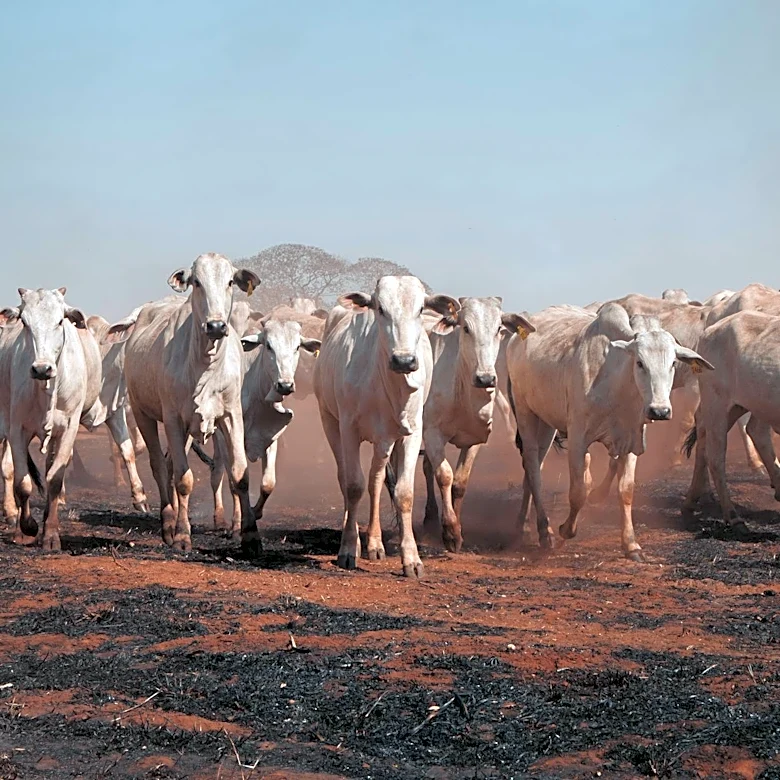
The U.S. cattle herd has reached its smallest size in 75 years due to prolonged drought conditions, rising feed costs, and an aging ranching workforce. According to the Kansas City Federal Reserve, years of dry weather have devastated grasslands across the West and Plains, forcing ranchers to sell cattle early, including breeding cows essential for herd regeneration. This has led to a significant reduction in herd sizes, making it harder and more expensive to raise cattle. Experts, including Eric Belasco from Montana State University, emphasize that drought has been the primary driver of this crisis. Even as conditions improve, rebuilding herds is a slow process, taking several years to recover. Additionally, the U.S. beef industry is highly concentrated, with four major companies processing 85% of the nation’s grain-fed cattle, raising concerns about pricing practices. Despite higher prices, consumer demand for beef remains strong, with spending and consumption both increasing in 2025.