Iran Conflict Raises Fertilizer Costs, Impacting U.S. Farmers and Food Prices
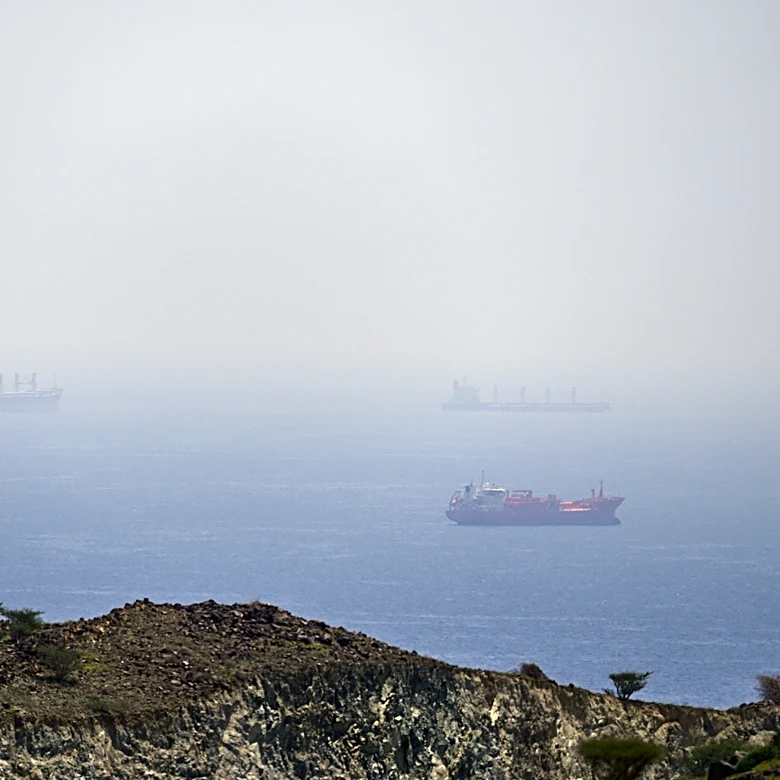
The ongoing conflict in Iran has led to a significant increase in fertilizer prices, which is expected to have a ripple effect on U.S. agriculture and food prices. The American Farm Bureau Federation has identified the virtual closure of the Strait of Hormuz as a primary factor in the rising costs. This strait is a crucial passage for about one-third of the global seaborne fertilizer trade. As a result, approximately 70% of U.S. farmers report being unable to afford the necessary fertilizer, potentially leading to reduced crop yields. The situation is exacerbated by the fact that countries involved in the conflict, such as Iran, Qatar, Saudi Arabia, and Egypt, are major exporters of urea and ammonia, essential components for plant growth. The inability to 'prebook' fertilizer at lower prices is also affecting farmers' budgets, particularly in the South and Northeast regions of the U.S.