Raleigh's Land-Use Reforms Lead to Increased Housing Production and Decreased Rent
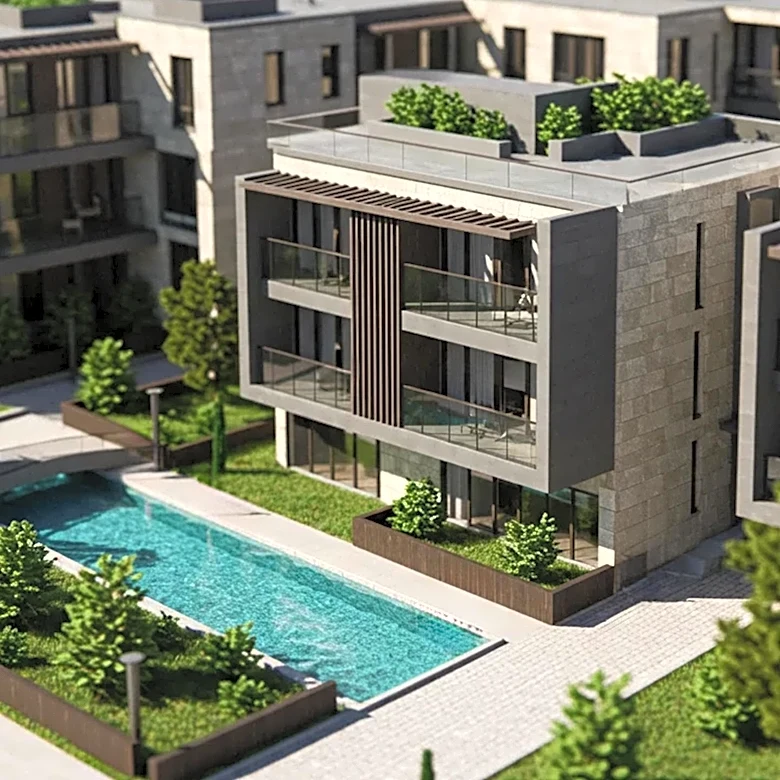
Raleigh has experienced a significant increase in 'missing middle' housing and a reduction in rent prices following recent changes to its land-use rules, according to a new report by the Pew Charitable Trusts. The city's zoning reforms, building regulations, and the elimination of parking requirements since 2021 have spurred the construction of townhomes, apartments, and other denser housing types. Annual housing production in Raleigh increased by 74% after these reforms, with an average of 5,731 units permitted annually from 2021 to 2024, compared to 3,301 units from 2017 to 2020. These reforms included removing density restrictions in non-single-family districts and allowing more duplexes, triplexes, quadplexes, tiny homes, and accessory dwelling units. The report also notes that rent prices in Raleigh fell by 15% from 2022 to 2025, adjusted for inflation, with the steepest decline observed in older apartments catering to lower-income tenants.