Mango Cultivation Requires Consistent Watering and Specific Climate Conditions for Optimal Fruit Production
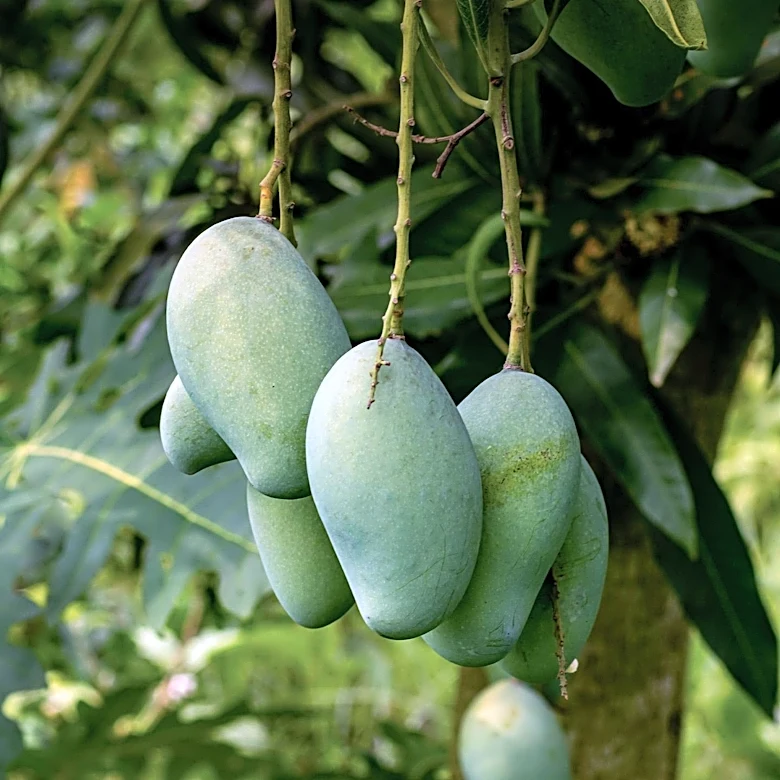
Mango trees, scientifically known as Mangifera indica, are evergreen trees that can grow 30 to 40 feet tall. They produce fragrant clusters of small yellow or pink flowers in the spring, with fruit ripening from late spring to fall. While older guides suggested mangoes were drought-tolerant, current understanding emphasizes the need for deep, consistent watering, especially from flowering through early fruit expansion. Inconsistent watering during this critical period can lead to the tree shedding immature fruit. Soil should be kept moist but not waterlogged, as standing water can cause root rot. Most mango varieties require a cool, dry season to flower reliably and are hardy in USDA Zones 11 and 12, with some cultivars tolerating brief frost in southern Zone 10. Optimal growth requires full sun with at least six hours of direct light daily and well-draining soil with a pH between 5.5 and 7.5. In the continental U.S., reliable outdoor production is primarily limited to the southern tip of Texas, specifical...