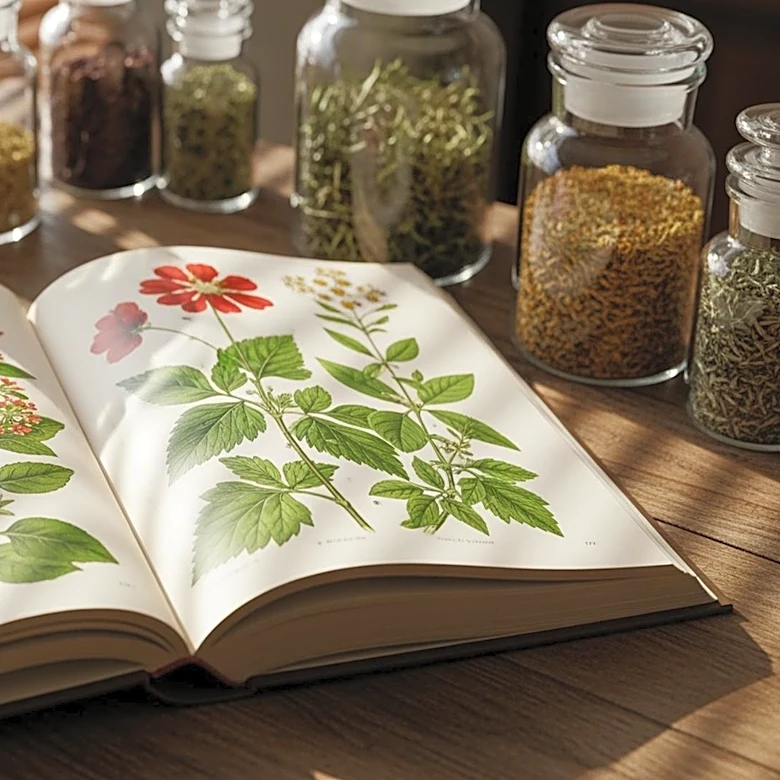
Mütter Museum Exhibit Highlights Revolutionary Botany's Role in American Pharmacy
The Mütter Museum in Philadelphia is showcasing an exhibit titled 'Revolutionary Botany' as part of the United States' 250th anniversary celebrations. This exhibit explores the origins of American pharmacy, focusing on how early settlers and physicians utilized botanical gardens and medicinal plants for disease treatment. The College of Physicians of Philadelphia, founded in 1787, played a pivotal role in shaping American medicine by learning from Native Americans about plant species and their uses. The exhibit highlights the creation of the Pharmacopoeia in 1820, an encyclopedia of healing plants that became the first collection of recommended medicines. The exhibit also features a medical plant garden, reflecting historical plant groupings and their uses, such as garlic for heart support and sage for colds.