New Study Highlights Strategies for Sustainable U.S. Irrigated Agriculture
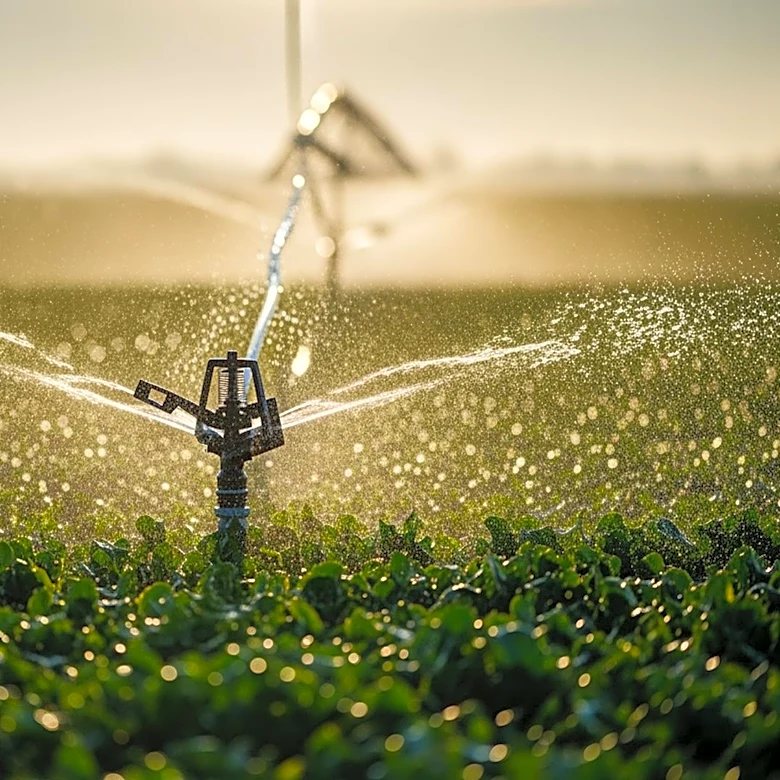
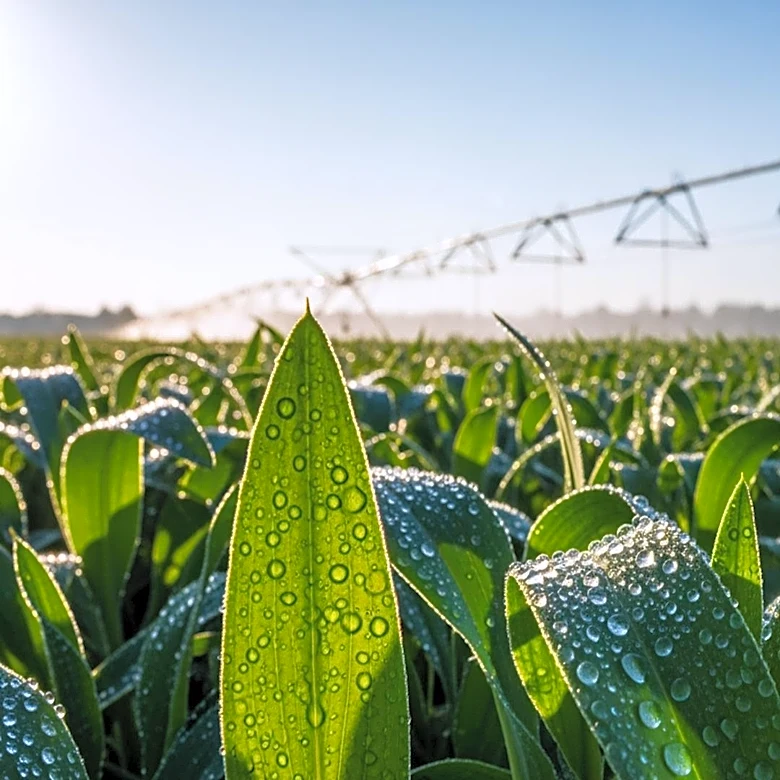
A recent study conducted by the Daugherty Water for Food Global Institute at the University of Nebraska provides a comprehensive assessment of the current state and future prospects of irrigated agriculture in the United States. Published in Agricultural Water Management, the study emphasizes the critical role of effective water governance and technological investment in sustaining U.S. agriculture. The research highlights that five states—California, Nebraska, Arkansas, Texas, and Idaho—account for about half of the nation's irrigated farmland. The study notes a gradual shift of irrigated agriculture towards eastern states due to groundwater depletion in the Great Plains and West. It also observes changes in crop patterns, with increased irrigation for corn and soybeans and a decline for alfalfa, cotton, and rice. The study calls for stronger groundwater monitoring, broader adoption of precision irrigation practices, and expanded access to irrigation technologies, especially for smaller producers.