Cities Leverage Data and AI to Combat Urban Heat Challenges
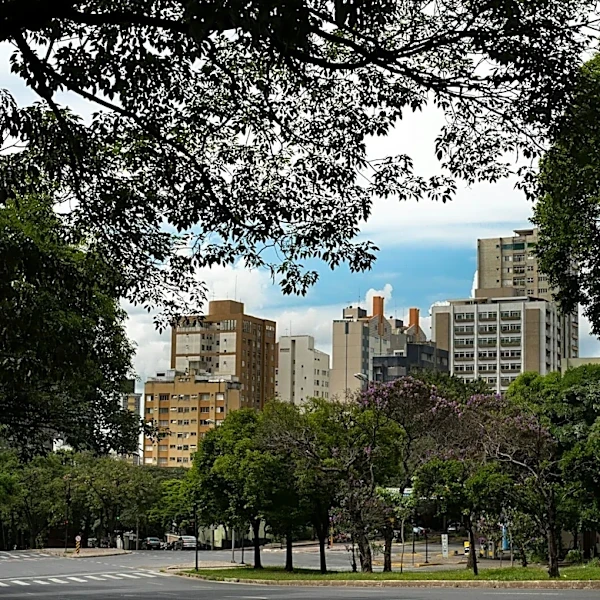
Cities across the United States are increasingly turning to data-driven strategies and advanced technologies to address the growing challenges of urban heat, exacerbated by climate change. According to Rochelle Haynes of What Works Cities, local governments are using predictive analytics and tools like lidar to enhance climate resilience and emergency preparedness. For example, Cambridge, Massachusetts, has utilized lidar technology to monitor and expand its urban tree canopy, achieving a 5% increase since 2014. Similarly, Raleigh, North Carolina, employs satellite imagery and AI-powered microclimate modeling to guide urban heat mitigation projects, such as tree planting and green infrastructure. These efforts aim to address inequities in tree canopy coverage and reduce the impacts of extreme heat on vulnerable communities. The integration of AI and data analytics is helping cities design more effective, long-term plans to combat the effects of rising temperatures.