DIY Biohacking Transitions from Hobby to Professional Career Path
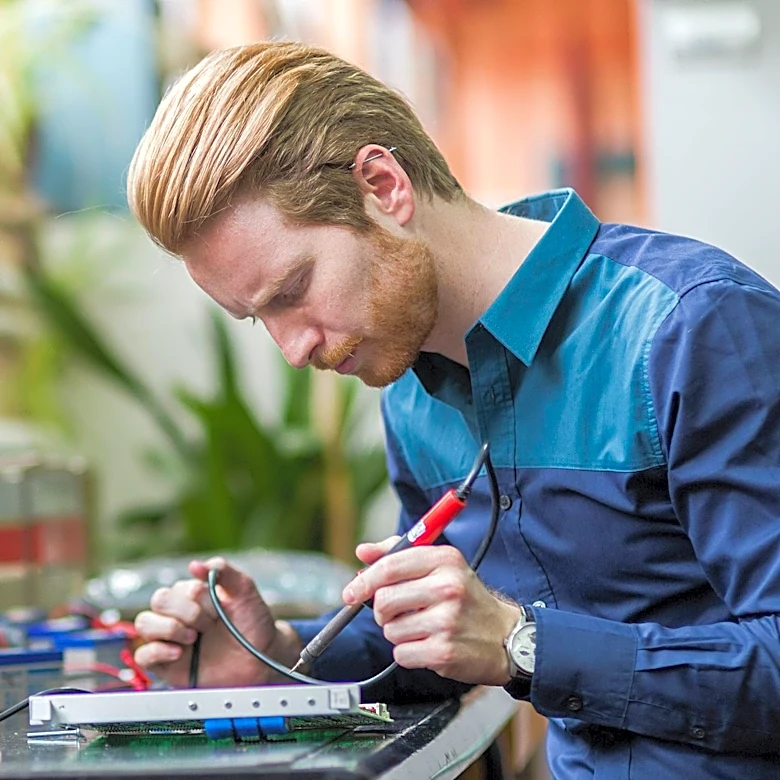
The realm of DIY biohacking is evolving from a niche hobby into a viable professional career path, allowing individuals to explore biology outside traditional institutional settings. This shift is driven by the blurring lines between amateur scientists and paid professionals, fostering an ecosystem where biohackers can monetize their skills. Career opportunities in this field include roles as independent researchers in community labs, product developers for biotech startups, science communicators, bio-artists, and citizen scientists managing funded environmental monitoring projects. The core of this movement lies in applying hands-on biological skills, often honed through personal experiments, to financially sustainable endeavors. Key skills required for success include wet-lab fundamentals like aseptic technique and molecular cloning, bioinformatics and data literacy using tools like Python or R, and a strong emphasis on safety and meticulous documentation. Community labs, such as Genspace in New York and...