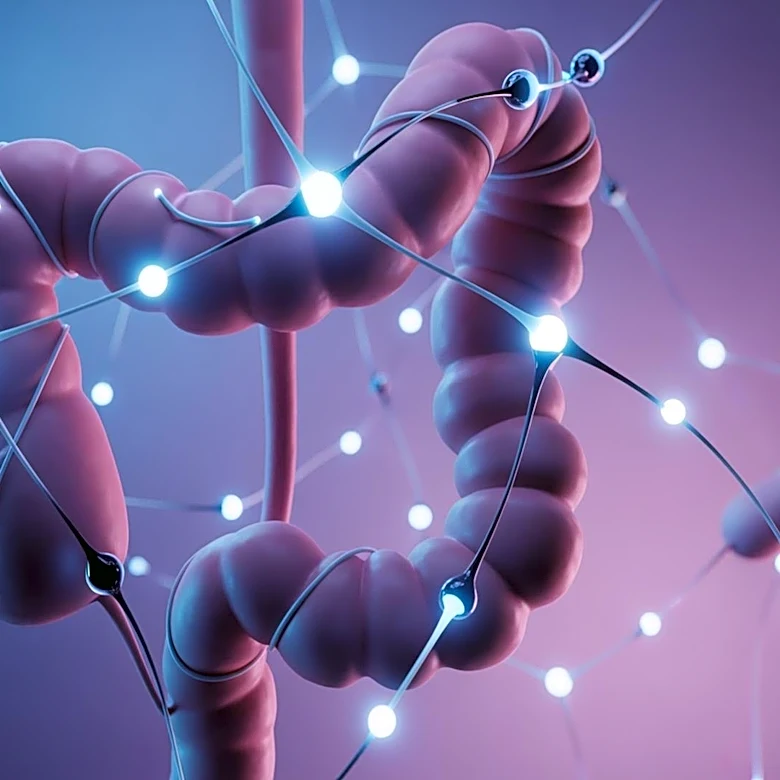
Research Explores Ketamine's Impact on Gut-Brain Axis and Mental Health
Recent research has delved into the complex interactions between ketamine and the gut-brain axis, highlighting its potential effects on mental health. Ketamine, known for its rapid antidepressant properties, influences the gut-brain axis through modulation of monoaminergic systems and the mammalian target of rapamycin (mTOR) signaling pathway. This interaction is crucial as the gut-brain axis involves a bidirectional communication network linking the central nervous system, enteric nervous system, gut microbiota, and immune system. Disruptions in gut microbiota can lead to systemic inflammation, affecting brain function and behavior. The study suggests that ketamine's antidepressant effects may be partly mediated by its ability to modulate gut microbiota and immune signaling, thereby influencing neuroinflammation and psychiatric symptoms.