Discovery of New Cimolodon Species Sheds Light on Mammalian Survival Post-Dinosaur Extinction
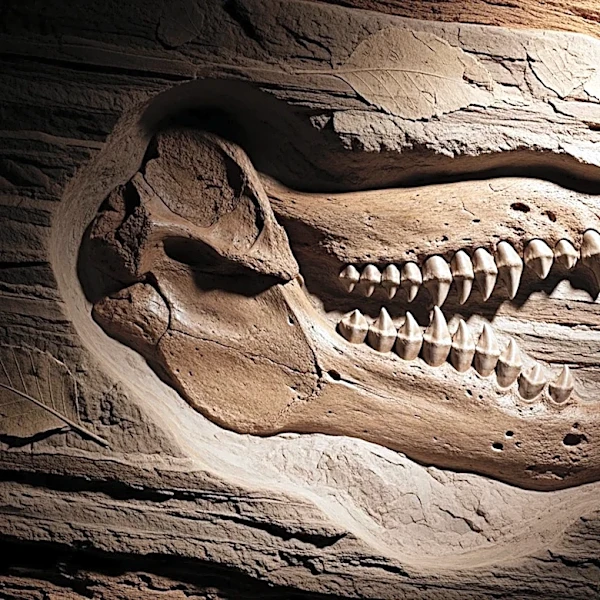
Researchers at the University of Washington have identified a new species of the genus Cimolodon, a group of small, rodent-like mammals that survived the mass extinction event 66 million years ago. The species, named Cimolodon desosai, was discovered in Baja California and is estimated to be around 75 million years old. This discovery provides insights into how early mammals, particularly multituberculates, managed to endure the catastrophic event that wiped out the dinosaurs. The fossil, which includes teeth, a skull, and parts of the skeleton, offers a rare glimpse into the physical characteristics and lifestyle of these ancient mammals.