Researchers Develop Neurobots with Self-Assembling Nervous Systems
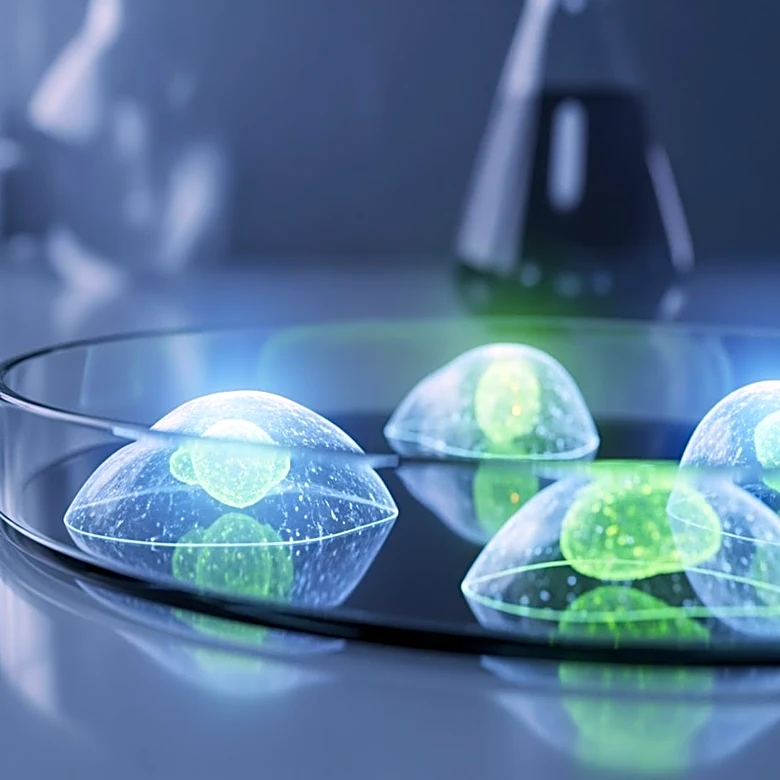
Researchers at Tufts University and the Wyss Institute have developed a new class of biological constructs known as neurobots. These are created by embedding nerve cells into self-assembling frog-cell organisms, resulting in living machines that develop functional neural networks and exhibit unique movement patterns. Building on previous work with xenobots, the team introduced neural tissue into these biological machines, creating more behaviorally complex organisms. The research, published in Advanced Science, aims to understand how cells organize into functional structures outside their normal biological context, with potential implications for synthetic biology and regenerative medicine. The neurobots, made from tissue taken from early embryos of the African clawed frog, Xenopus laevis, show significant differences from standard biobots, including increased size and complexity of movement.