Researchers from São Paulo State University Utilize Water Isotopes for Amazon Rainfall Analysis
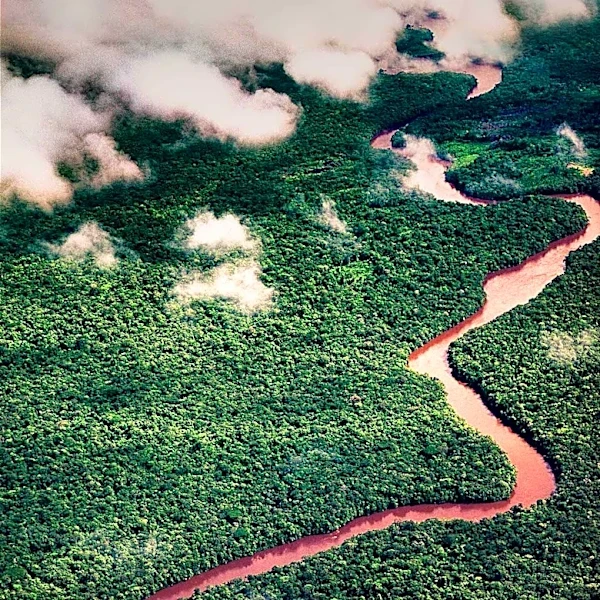
Researchers from São Paulo State University (UNESP) in Brazil are leading a study that uses water isotopes to monitor changes in Amazon rainfall. This method, which treats isotopes as a 'water fingerprint,' has revealed how phenomena like El Niño and North Atlantic warming influence moisture origin and precipitation dynamics. The study, one of the first in over 30 years to apply isotopic techniques to Amazonian hydroclimatic research, has shown that the historic droughts of 2023 and 2024 in the Amazon significantly reduced river flows and altered rainfall composition. Daily monitoring in Manaus, the capital of the Brazilian state of Amazonas, provided crucial data. Rafaela Rodrigues Gomes, a geographer and doctoral candidate at UNESP, is the lead author of a paper published in Hydrological Processes, based on her master's thesis. Her advisor, geologist Didier Gastmans, coordinates UNESP’s Laboratory of Water Resources and Environmental Isotopes (LARHIA). The research indicates that different meteorological...