Scientists Identify New Ancient Crocodile Species from Great Sphinx Bedrock
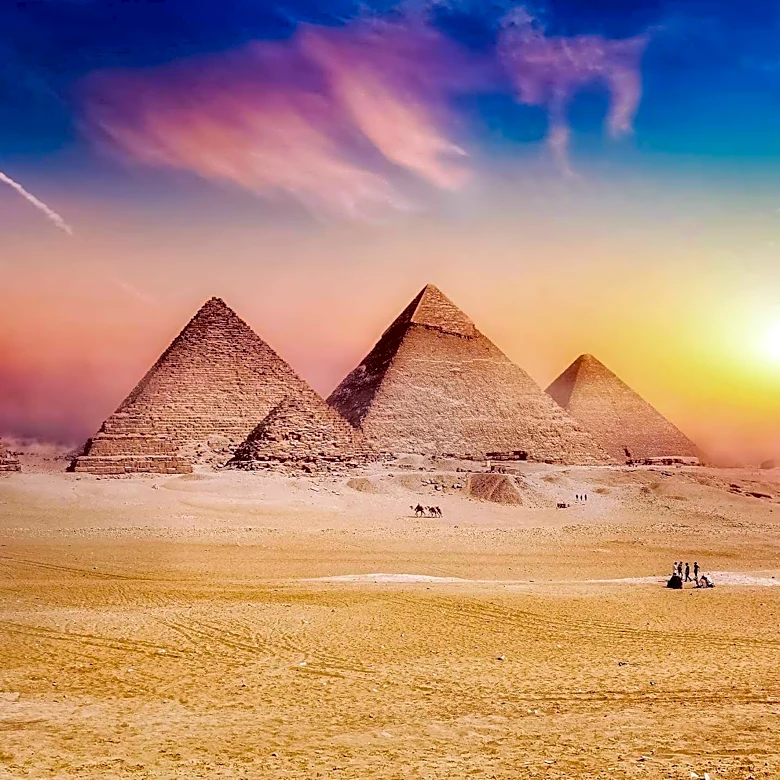
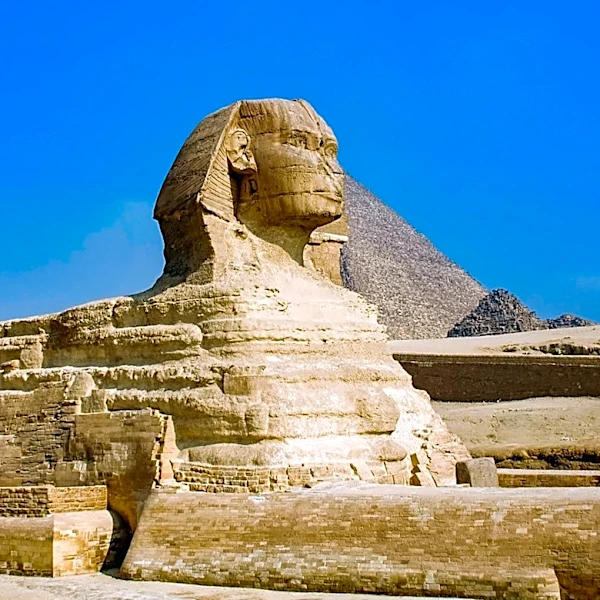
Paleontologists have identified a new species of ancient crocodilian, named Herugavialis cairensis, from fossilized remains discovered in the Mokattam Formation in northern Egypt. This limestone bedrock is the same material used to construct the Great Sphinx and the pyramids at Giza. The species, which roamed a shallow sea approximately 45 million years ago, adds to the understanding of gharial diversity and evolution. One key fossil, a nearly complete skull unearthed in the 1920s, notably resembles the Sphinx due to its missing snout tip, inspiring the genus name 'Herugavialis' after the Egyptian god Horus. Initially misclassified as Tomistoma cairense in 1927 due to its resemblance to the false gharial, new evolutionary analyses and CT scans revealed it to be a distinct genus. Herugavialis cairensis possessed razor-sharp, pointed teeth and a long, thin snout adapted for catching fish, with eyes protruding like a telescope, similar to the modern Indian gharial. The Mokattam Formation has preserved numerou...