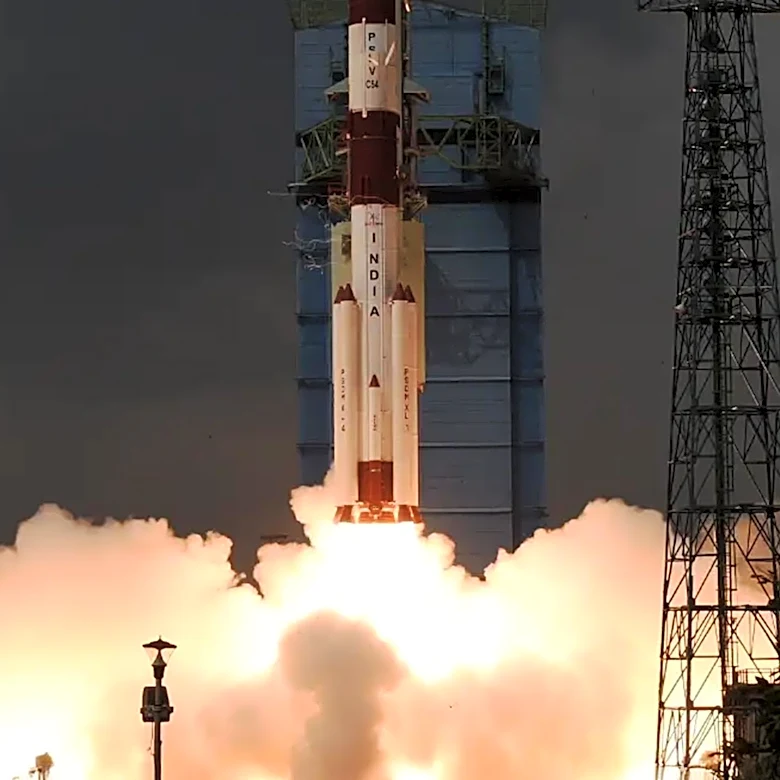
India Expands Space Capabilities with Human Spaceflight and Deep-Space Exploration Initiatives
India is significantly advancing its space program, moving beyond foundational capabilities to embrace human spaceflight, deep-space exploration, and advanced space infrastructure. Key initiatives include the Gaganyaan human spaceflight program, which aims to launch a crew of three Indian astronauts to a 400-km orbit for a three-day mission by 2027. This program, approved in 2019 and expanded in 2024 with an outlay of ₹20,193 crore, includes precursor flights for the Bharatiya Antariksh Station (BAS-01). India is also planning Chandrayaan-4, a lunar sample-return mission targeted for 2027, and the Venus Orbiter Mission for March 2028. These efforts build upon past successes like the Mars Orbiter Mission (Mangalyaan) in 2014, AstroSat in 2015, and Aditya-L1 in 2023, which is India's first space-based mission to study the Sun. The XPoSat mission in January 2024 further expanded India's capabilities in X-ray polarization astronomy. The country is also developing advanced technologies such as a 200-tonne thrus...