Turmeric's Curcumin Shows Promise for Brain Health, Faces Bioavailability Challenges
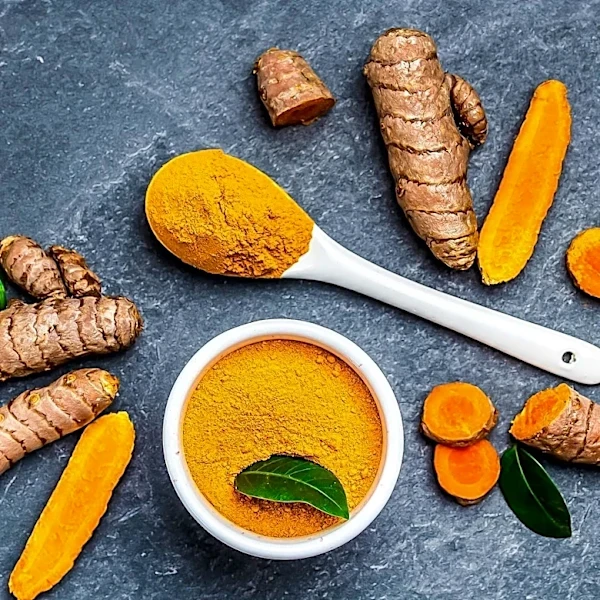
Research indicates that curcumin, the active compound in turmeric, may offer benefits for brain health, particularly in addressing inflammation and markers associated with Alzheimer's disease. Laboratory studies have shown curcumin's ability to slow the buildup of beta-amyloid and tau proteins, which are classic indicators of Alzheimer's, and to support the formation of new neurons. This is achieved by inhibiting NF-κB, a transcription factor involved in pro-inflammatory substances, and by supporting BDNF (brain-derived neurotrophic factor), crucial for neuroplasticity, memory, and stress resilience. However, a significant challenge is curcumin's poor bioavailability; less than 1% of consumed curcumin typically crosses the blood-brain barrier. To enhance absorption, clinical trials often use special formulations combined with fats or black pepper extract (piperine). At home, pairing turmeric with a fat source and black pepper can improve its absorption, though this effect was noted in a small research grou...