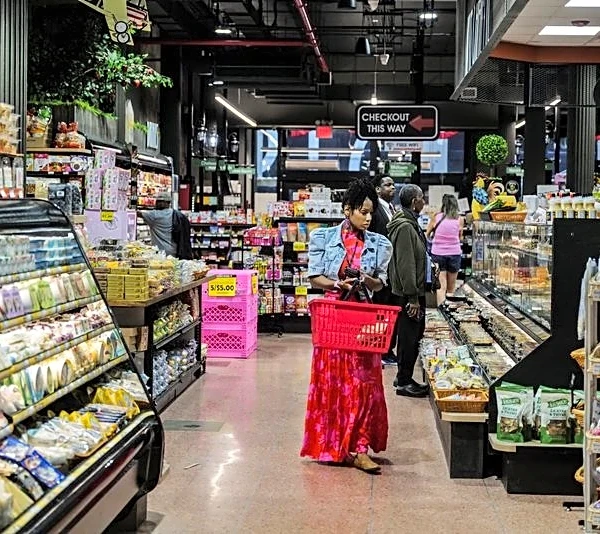
U.S. Food Insecurity Rises Significantly, Impacting Middle-Income Households and Seniors
A recent report by dunnhumby indicates a substantial increase in food insecurity across the U.S., marking the largest jump in over four years. One in three U.S. consumers, or 34%, reported skipping meals or reducing meal sizes due to financial constraints in the past year, a 7-percentage-point rise since December. This trend is particularly pronounced among middle-income households (earning $50,000-$100,000), where 31% reported not having enough to eat, up from 19% in December. Seniors aged 65 and older also experienced a near doubling of food insecurity, reaching 17%. Working-age consumers, specifically those aged 18-34 (39%) and 35-54 (43%), remain the most affected. The report also highlights that 43% of households earning less than $50,000 and 39% of families with children are food insecure. This surge coincides with a decrease of approximately 5.2 million people in SNAP participation since the 2025 federal budget law took effect, according to USDA data compiled by the Food Research & Action Center (FR...