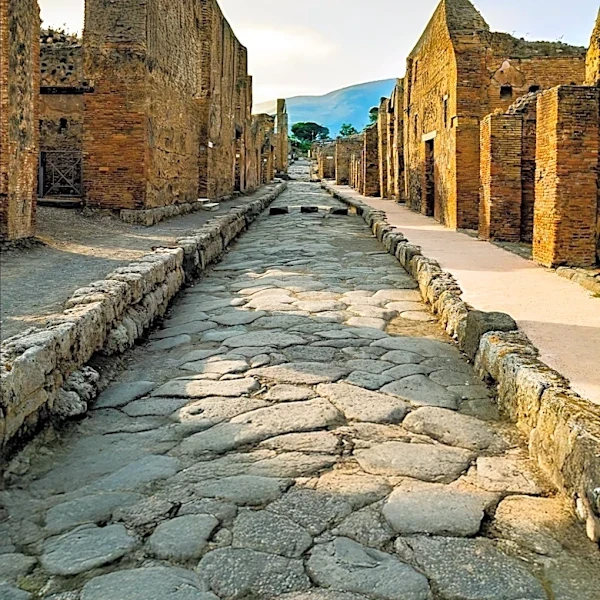
New Discoveries at Pompeii Challenge Historical Narrative, Revealing Post-Eruption Life
Recent archaeological findings in the Insula Meridionalis, located in the southern area of ancient Pompeii, are challenging the long-held belief that the city was completely abandoned after the AD 79 eruption of Vesuvius. Materials and ceramic artifacts dating from the 15th and 16th centuries have provided fresh evidence of human presence at the site centuries before the official Bourbon excavations began in 1748. This discovery suggests that while the Roman city lay buried, people continued to live among its ruins and maintain its memory. Gabriel Zuchtriegel, director of the Archaeological Park of Pompeii, notes that this nuanced story, termed 'Pompeii after Pompeii,' highlights the persistence of local communities who returned to and utilized the area, albeit in a fragile and unofficial capacity. These traces of precarious lives, previously overlooked, indicate that Pompeii was not entirely erased from collective memory.