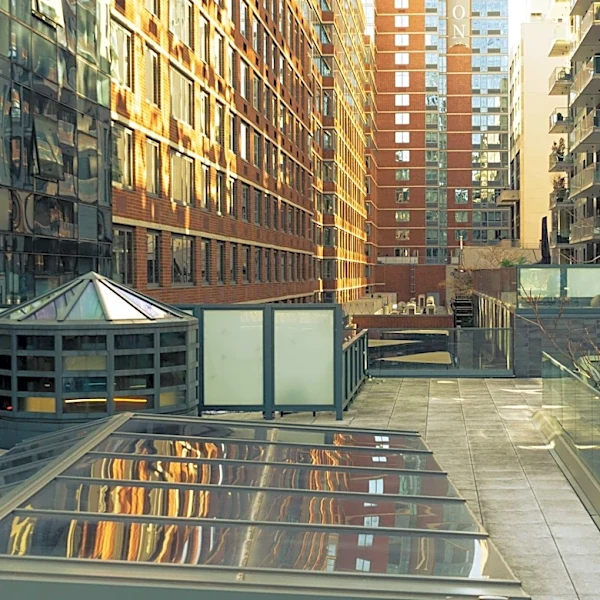
New York's White Roof Initiative Reduced Summer Surface Temperatures by 43°F
In 2011, New York City launched an innovative project to combat the urban heat island effect by painting black rooftops with reflective white coatings. This simple intervention aimed to reduce heat absorption and lower surface temperatures during peak summer months. According to monitoring conducted by Columbia University and NASA's Goddard Institute for Space Studies, the white roofs recorded average peak summer surface temperatures 43°F (24°C) lower than conventional black roofs. The initiative demonstrated how reflective surfaces can mitigate urban heat, reduce cooling energy demand, and alleviate strain on electricity grids during heatwaves. While the project did not solve the city's heat challenges entirely, it highlighted the potential of scalable, cost-effective solutions to address climate-related urban issues.