Kilauea Volcano: A History of Eruption and Evolution
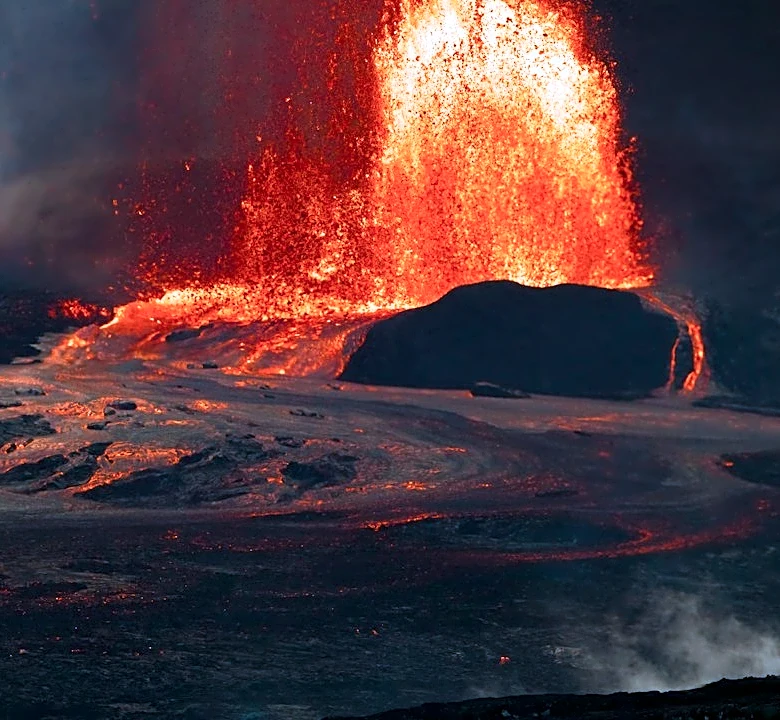
Kilauea, located on the southeastern shore of Hawai‘i Island, is one of the most active shield volcanoes on Earth. Its geological history spans over 210,000 to 280,000 years, transitioning from submarine eruptions to subaerial activity approximately 100,000 years ago. The volcano is fueled by the Hawaiian hotspot, a stationary plume of magma beneath the Pacific tectonic plate. Kilauea’s eruptions are typically effusive, producing fluid basaltic lava that creates its broad, sloping profile. However, explosive events have occurred, particularly when groundwater interacts with magma. The volcano holds cultural significance for Native Hawaiians, being the home of Pele, the goddess of fire and volcanoes. Recent activity includes summit eruptions within the Halema‘uma‘u crater, which began in 2020 and continue to reshape the landscape.