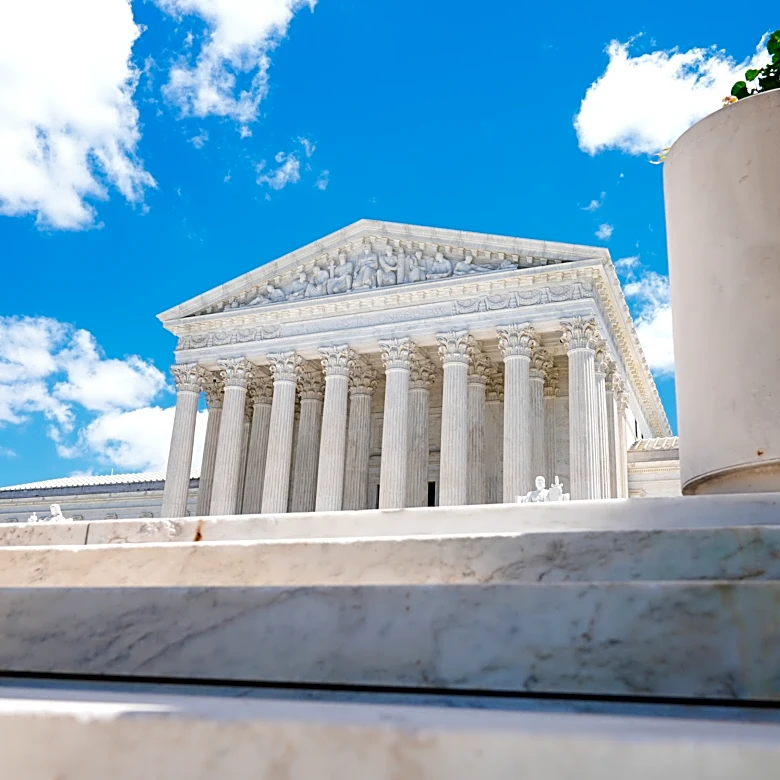
U.S. Supreme Court Declines to Hear Arkansas Death Row Case Amidst Innocence Claims
Roderick LeShun Rankin, sentenced to death for a 1994 triple homicide in Arkansas, has been fighting for decades to prove his innocence. His legal team argues that his brother, Rodney Rankin, was the actual perpetrator, citing Rodney's alleged confessions and Rankin's intellectual disability as factors leading to a coerced confession. Despite these claims, the U.S. Supreme Court recently declined to review his case, leaving unresolved issues about what constitutes 'new evidence' in federal habeas corpus proceedings. Rankin's lawyers argue that his low IQ and vulnerability to coercion contributed to a false confession, and that physical evidence more closely points to Rodney. The case has drawn attention due to its implications for how courts handle claims of actual innocence and intellectual disability in death penalty cases.