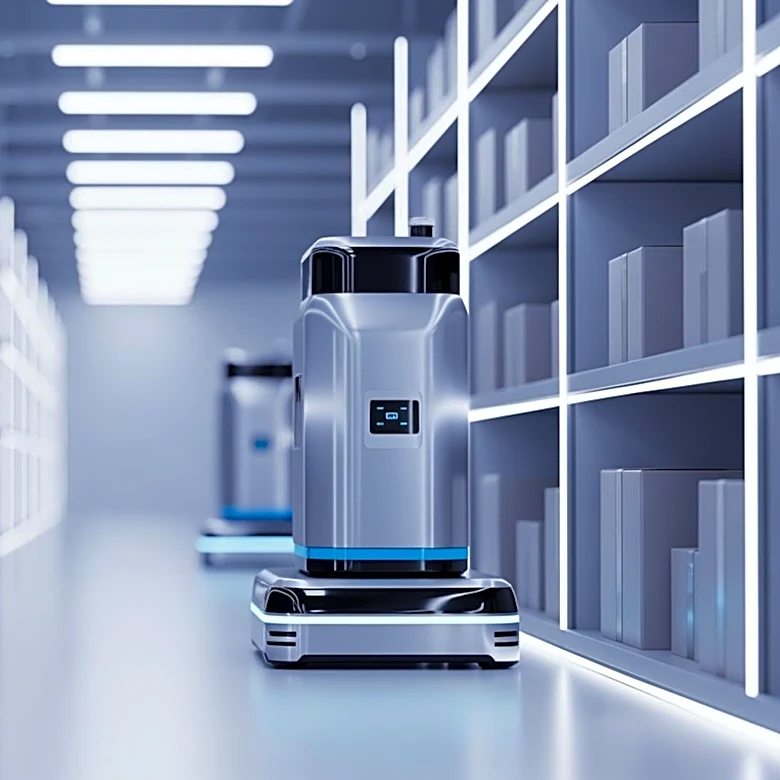
Researchers Develop Artificial Eyes to Enhance Self-Driving Cars and Robots in Mixed Lighting Conditions
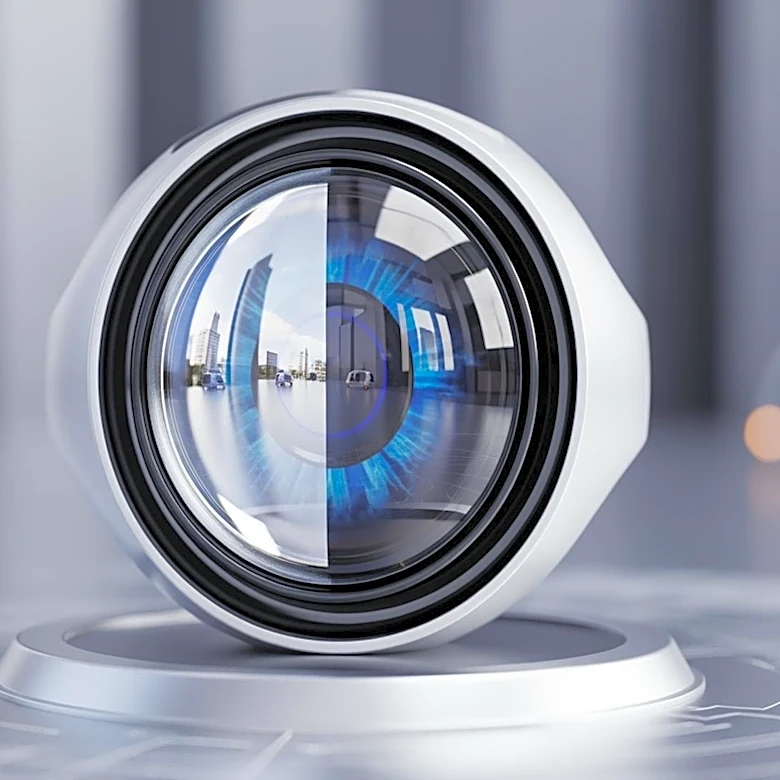
A team of researchers, including an engineer from Penn State, has developed a new type of artificial eye that mimics the human eye's ability to adapt to varying light conditions. This innovation involves the use of photomemristors, which are small electrical devices capable of converting light into electrical current. These devices are designed to function effectively in mixed lighting environments, such as those encountered by self-driving cars and robots. The photomemristors are constructed from materials like PEDOT:PSS and titanium oxide, allowing them to dynamically adjust their sensitivity to light. This development could lead to more reliable optical systems that can process light data faster and more adaptively than current technologies.