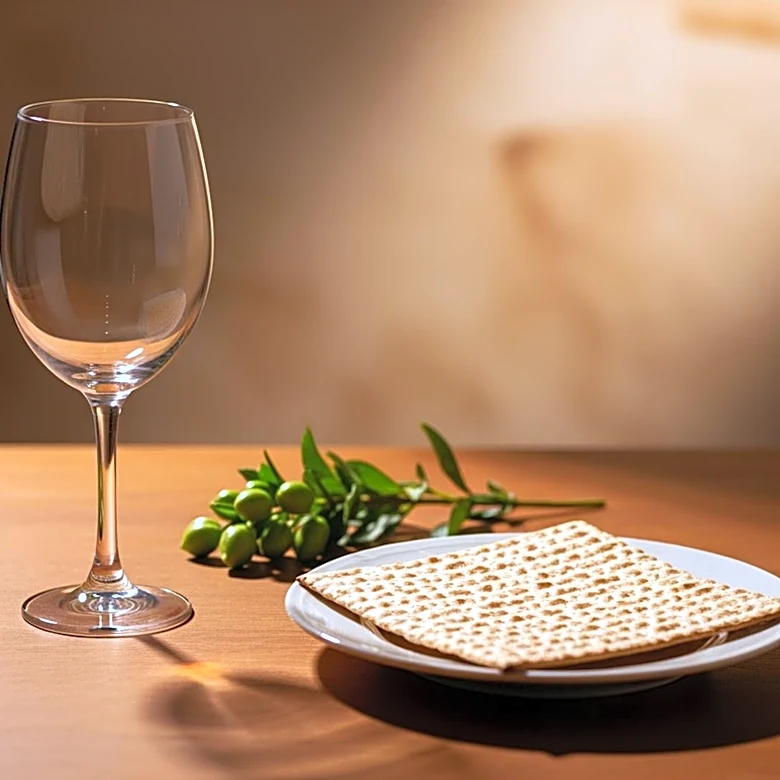
Holocaust Survivors Celebrate Passover in 1946, Reclaiming Dignity and Identity
In the spring of 1946, Holocaust survivors across Europe gathered to celebrate Passover, marking the first such observance since their liberation from concentration camps. This event was not just a religious ritual but a profound act of defiance and reclamation of identity. In displaced persons camps in Germany, Austria, and Italy, survivors, many of whom had lost entire families, came together to recount the story of the Exodus. The Seder held in Munich was particularly symbolic, as it took place in a hall once used by Nazi elites. Rabbi Yekusiel Yehuda Halberstam, a survivor himself, led a notable Seder in the Feldafing DP camp, emphasizing dignity and tradition despite scarce resources. The event was deeply emotional, with the absence of children, who had been murdered, painfully felt. Yet, the survivors used a specially written Haggadah that transformed the ancient narrative into a reflection of their recent experiences, turning the Seder into a declaration of survival and hope.