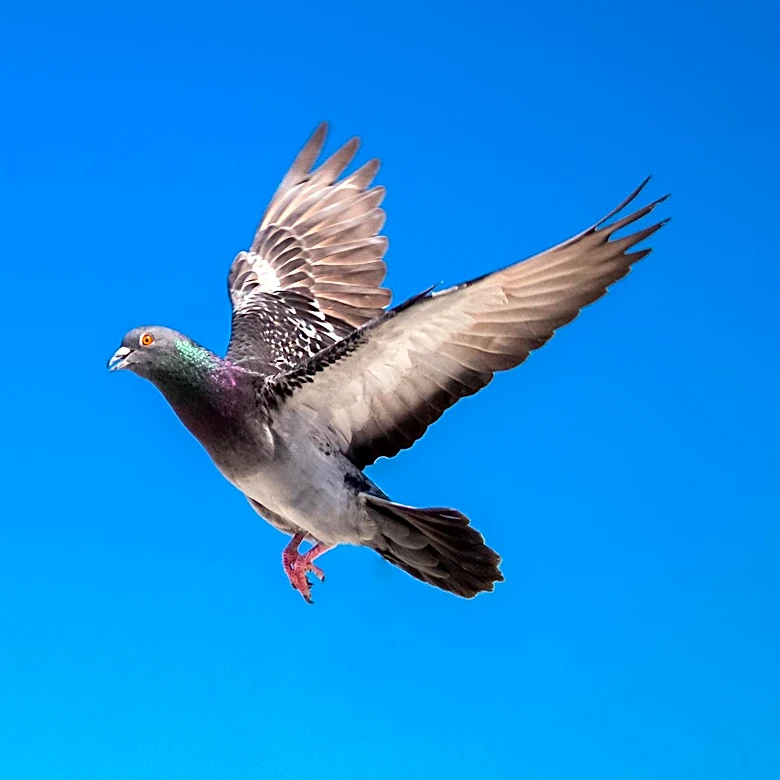
Historical Use of Carrier Pigeons in Alaska for Communication Detailed
The history of carrier pigeons in Alaska reveals their limited but notable use for communication, particularly in the early 20th century. While a Seattle Post-Intelligencer reporter, Samuel Weston, attempted to use 12 carrier pigeons to send news from the SS Portland during the Klondike Gold Rush in 1897, the experiment largely failed due to extreme distances, fog, rain, and wind, though two pigeons eventually returned. Despite this initial setback, carrier pigeons found some utility in Alaska. Mines occasionally employed them for short-distance message delivery over difficult terrain. Bush pilots also experimented with them; for instance, Roy Jones of Ketchikan used pigeons in the early 1920s to signal his return times from outbound destinations. This practice ceased not due to pigeon failure, but because Jones crashed his plane in 1923. In 1931, the Territorial Legislature even passed a law to establish carrier pigeon lofts at airports, a law that remained on the books for years, largely unnoticed.