Geologists Discover Evidence of Ancient Life Under Asteroid Crater, Suggesting Early Life Refuges
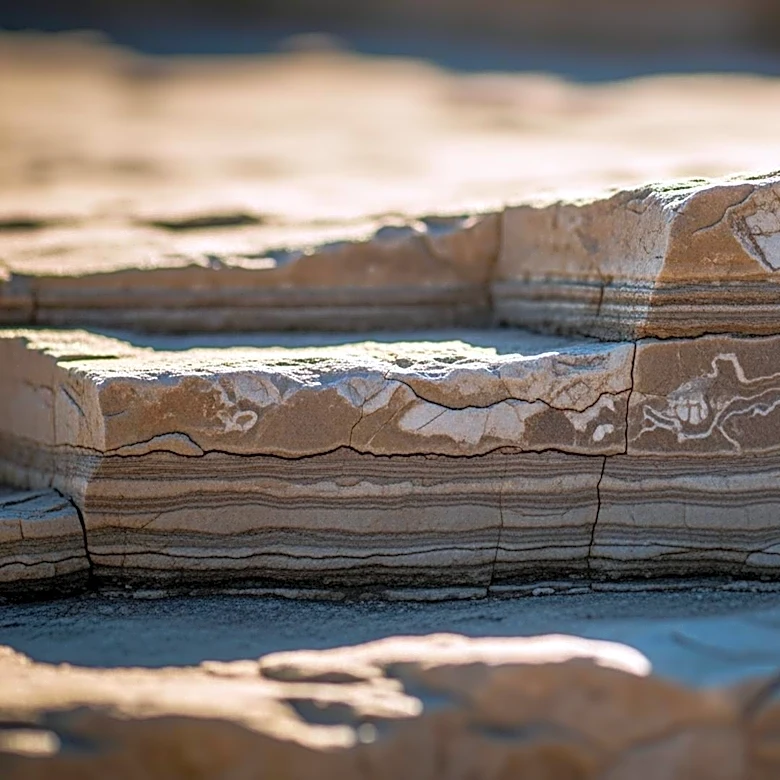
A team of geologists led by Jaesoo Lim from the Korea Institute of Geoscience and Mineral Resources has discovered stromatolites beneath a crater in South Korea, which was formed by a massive asteroid impact around 42,000 years ago. Stromatolites are layered structures created by microbial mats and are among the oldest known evidence of life on Earth. This finding suggests that the heat from the asteroid impact may have created a hydrothermal environment similar to hot springs, allowing microbial communities to thrive. The discovery supports the theory that during the era of heavy bombardment billions of years ago, impact craters could have served as temporary refuges for early life on Earth. The Jeokjung-Chogye Basin, where the stromatolites were found, has been identified as an impact structure only recently, and further analysis revealed mineral signatures indicative of past hydrothermal activity.