Anaconda Copper Mining Company Linked to Century-Old Arctic Arsenic Pollution
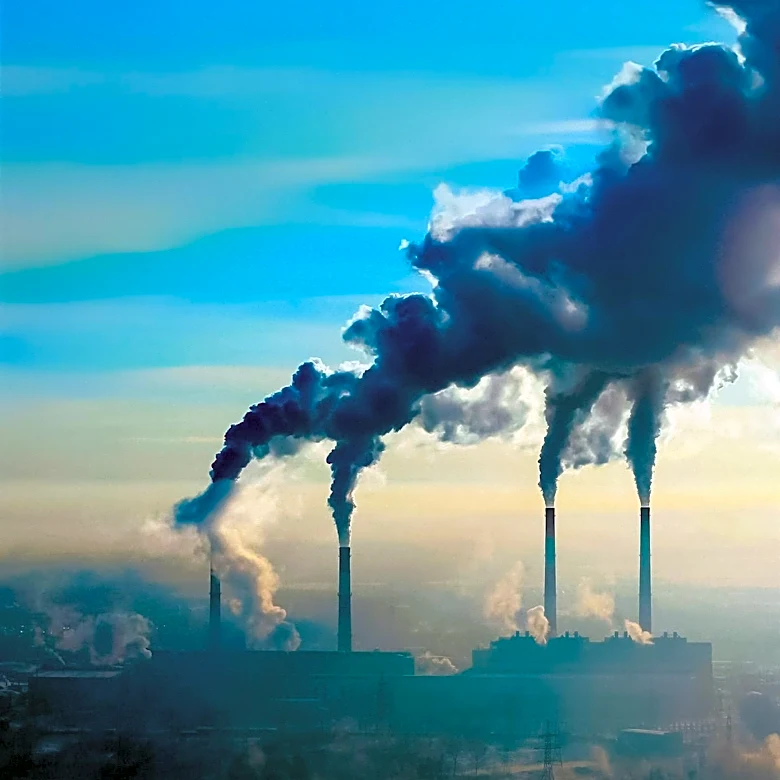
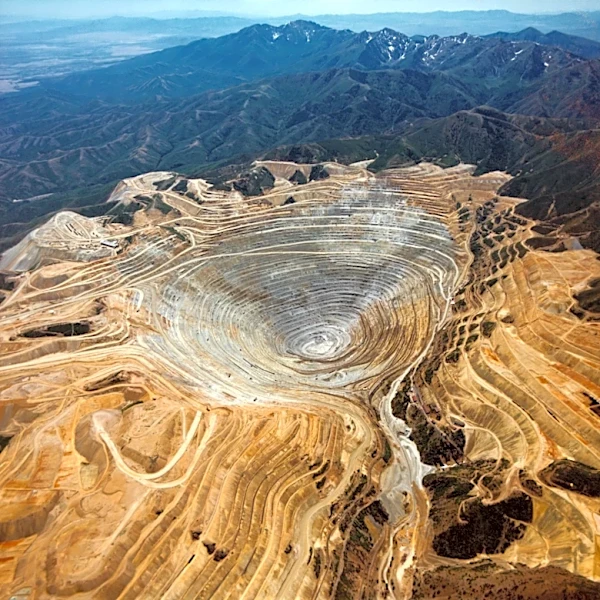
Evidence of widespread air pollution from early 20th-century copper production has been discovered in Arctic ice, with scientists tracing significant arsenic and lead contamination back to the Anaconda Copper Mining Company in Montana. A team from the Desert Research Institute (DRI) analyzed 10 ice cores from Greenland, the Russian Arctic, and northern Canada, reconstructing atmospheric levels of toxic heavy metals during the second Industrial Revolution. The ice layers from approximately 1886 to 1918 showed arsenic concentrations up to 15 times higher than pre-Industrial Revolution levels. Atmospheric modeling and historical records from the mine indicate that the Anaconda Copper Mining Company, one of the world's largest copper producers at the time, was emitting an estimated 11,000 tons of arsenic and 4,400 tons of lead per year during its peak production. These toxic metals were carried by winds over the Arctic, eventually settling into the ice layers. Fred Quivik, a historian, noted that the release o...