Yale Center for British Art Exhibits Monumental 19th-Century Indian Scroll
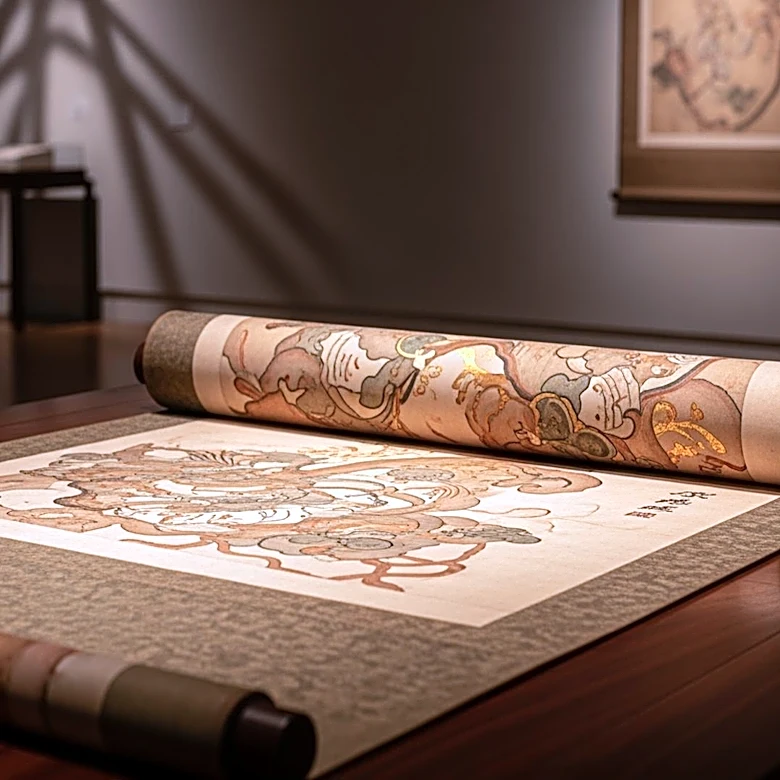
The Yale Center for British Art in New Haven, Connecticut, is showcasing a 37-foot-long Indian scroll from the early 19th century, known as the Lucknow scroll, for the first time. This exhibition is part of 'Painters, Ports and Profits: Artists and the East India Company, 1750-1850,' which runs until June 21. The scroll, created between 1821 and 1826, depicts an expansive view of Lucknow, India, and is made from 33 sheets of laid paper, using watercolor, gouache, and gold. Due to its size and fragility, only half of the scroll is displayed at a time, with sections being unrolled throughout the exhibition. The scroll was created during the reign of Ghazi-ud-Din Haidar Shah, who declared independence from the Mughal emperor in 1819. The scroll's historical and material significance is highlighted by its mysterious origins, as the artists and patron remain unknown.