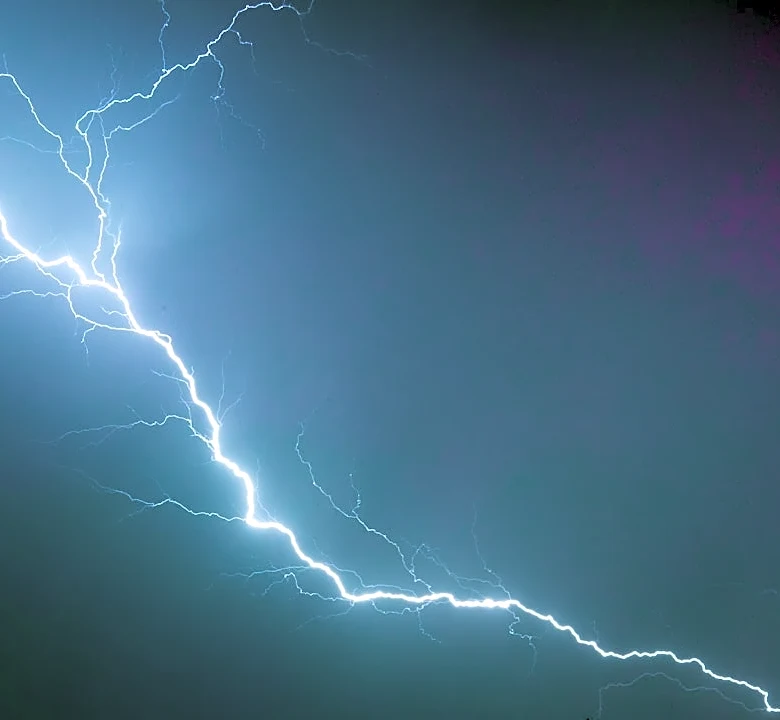
Understanding the Dangers of Lightning Strikes
Lightning strikes, which can reach temperatures of up to 50,000°F (27,760°C), pose significant risks to both humans and animals. According to the National Weather Service, an average of 43 people die annually from lightning strikes in the U.S., with many more suffering severe injuries. Lightning primarily affects the nervous system, causing symptoms ranging from nausea and muscle soreness to long-term cognitive impairments, depression, and even cardiac arrest. There are five primary ways lightning can strike: direct strikes, side flashes, ground currents, conduction, and streamers. Ground currents are the most common cause of injuries and fatalities, as energy from a strike radiates outward through the ground. Indoor risks include conduction through metal objects like faucets and electrical outlets. The article emphasizes the importance of understanding these risks to prevent injuries and fatalities during thunderstorms. [Yahoo News, 14 Sep 2026]