Wildfire Smoke Now Leading Pollutant Impacting Pregnancy Outcomes
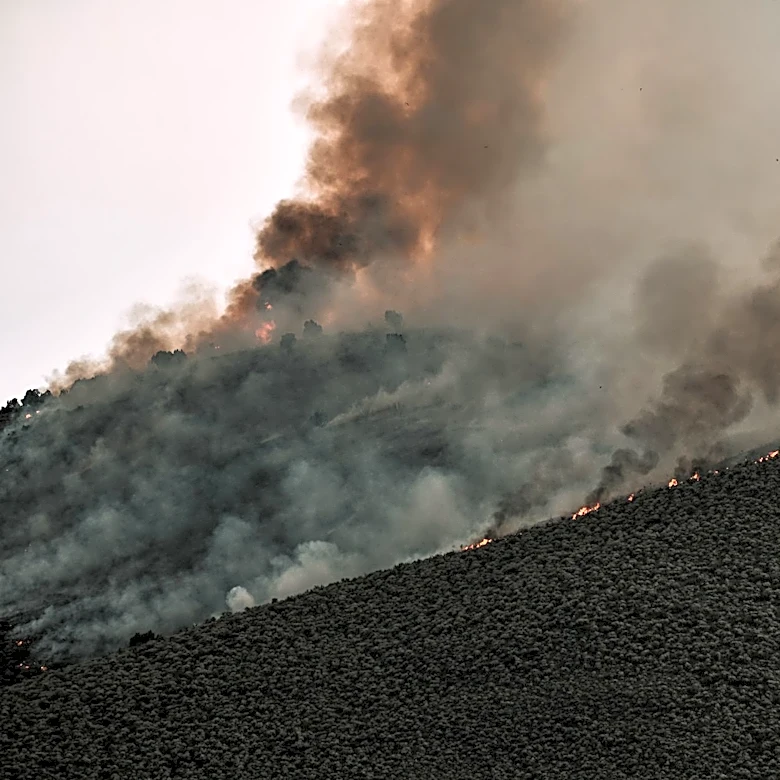
A recent study published in Frontiers in Environmental Health has identified wildfire smoke as the primary contributor to air pollution affecting pregnancy outcomes in the United States. The study analyzed data from 64.5 million pregnancies across 2,800 counties between 2003 and 2019. While pollution from cars and industry has declined, wildfire smoke has offset these improvements, with 65% of days exceeding the National Ambient Air Quality Standard linked to wildfire emissions. Regions not traditionally associated with wildfires, such as the southeastern U.S., have also seen significant increases in wildfire-related pollution. The study highlights the disproportionate impact on low-income, rural areas, particularly those with large American Indian and Alaska Native populations and limited maternity care access. The findings underscore the growing public health concern as wildfire seasons intensify, with recent years like 2020, 2024, and 2026 experiencing record-breaking fire activity.