U.S. Toll Roads Evolve from 18th-Century Turnpikes to Modern Electronic Systems
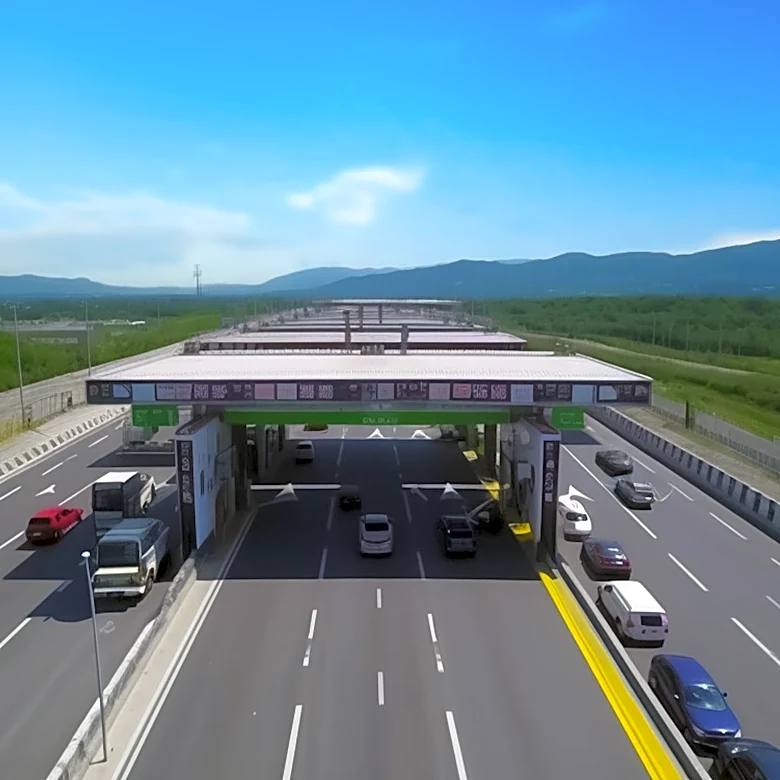
The history of U.S. toll roads dates back to the late 1790s with the establishment of the Philadelphia and Lancaster Turnpike in 1795, where travelers paid fees at 'spiked gates' or 'pikes.' These early turnpikes were privately built. Modern toll roads, as we know them today, began to emerge in the 1930s, with the Pennsylvania Turnpike, opened in 1940, being a landmark development. Funded by the New Deal to stimulate the economy, it became the nation's first superhighway and a model for the future Interstate Highway System. The 1956 Federal Aid Highway Act introduced massive federal funding via gas taxes, largely banning traditional toll gates on new interstate routes to promote high-velocity transit. However, existing state roads that remained independent continued to charge tolls. Today, modern tolling has transitioned to open-road systems using overhead gantry sensors and transponders like E-ZPass, facilitating friction-free, fully digital transactions. Revenue from these tolls funds maintenance, repair...