Hyper-Surveillance Culture Raises Anxiety and Distrust in U.S. Society
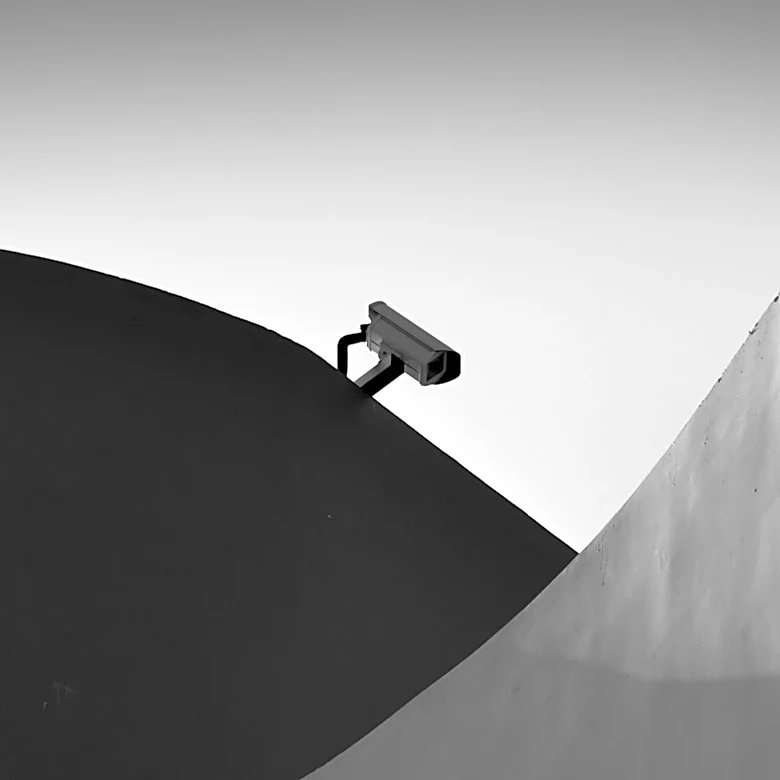
A growing culture of hyper-surveillance in the United States is leading to increased anxiety and paranoia among individuals, according to a study by neuroscientists Kiley Seymour and Roger Koenig-Robert. This phenomenon is fueled by constant recording, photographing, and posting on social media, alongside increased government oversight and the pervasive use of technology. The article highlights that while people may consciously feel unconcerned by constant monitoring, their brains subconsciously register and adapt to its presence, subtly shaping perceptions. Historically, hyper-surveillance has been disproportionately implemented in Black and Hispanic neighborhoods, often without a corresponding decrease in crime, creating a feedback loop that justifies further surveillance rather than addressing root issues. Examples cited include the AI-driven targeting of student protestors and the mandatory posting of syllabi, where oversight creates its own rules of morality and legality to justify punitive actions. T...