U.S. Nuclear Power Expansion Faces Significant Hurdles Amidst Climate Crisis and Waste Concerns
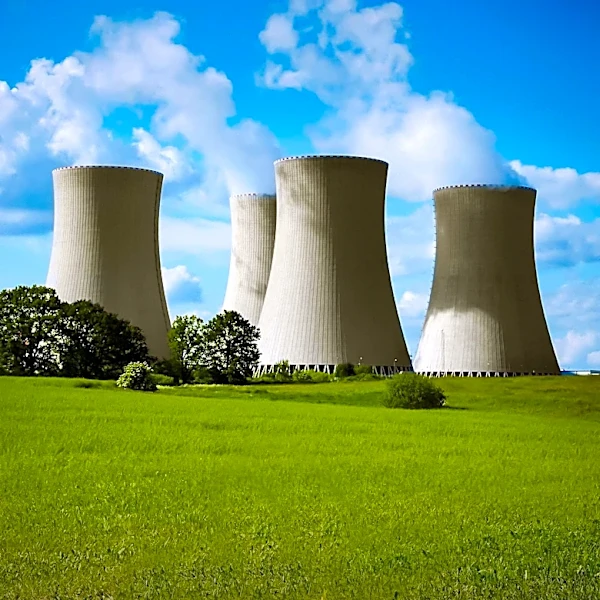
The U.S. is experiencing a renewed push for nuclear power, with states like Connecticut exploring the construction of new plants, including small modular reactors (SMRs). This drive is fueled by the perceived need for more energy to support data centers and artificial intelligence, as well as to address the climate crisis. However, this expansion faces substantial challenges, particularly concerning radioactive waste disposal. Currently, high-level radioactive waste from civil nuclear power plants remains at 75 sites across the nation, with no permanent solution for its disposal. Plans for a deep underground repository at Yucca Mountain in Nevada were met with strong opposition from state leadership and residents. Additionally, concerns about the safety and cost-effectiveness of SMRs are being raised, with critics pointing to the lack of proven assembly-line construction and higher-than-forecast costs for existing SMRs globally.