Fall Tornado Season Brings November Risks
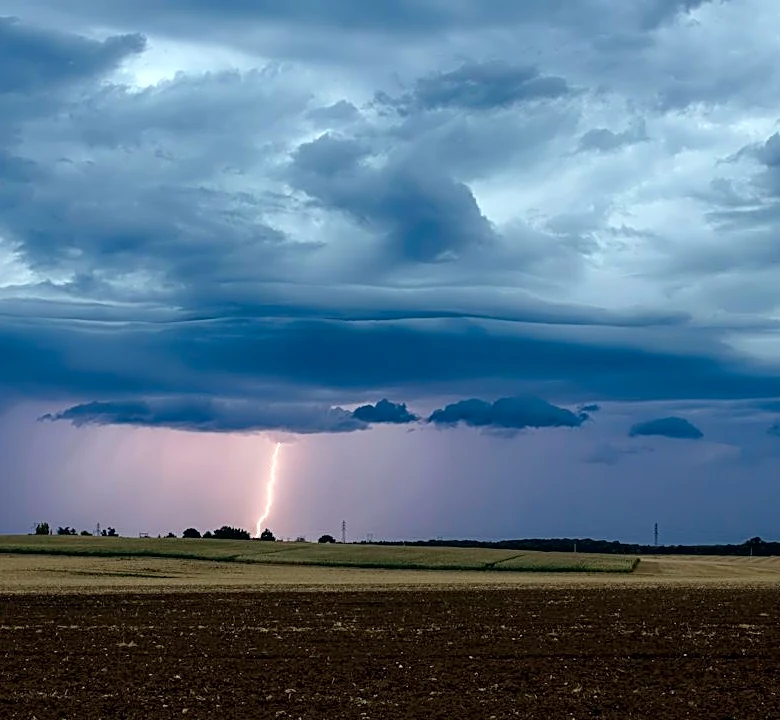
The fall tornado season, spanning November, poses a secondary risk for tornadoes across the central and eastern U.S. Unlike the spring peak, fall tornadoes are driven by a different balance of meteorological factors, including strong upper-level winds, warm air from the Gulf of Mexico, and sharp cold fronts. These conditions often lead to squall lines or rotating storms capable of producing tornadoes. The Mid-South and Southeast, including states like Mississippi, Alabama, and Tennessee, are particularly vulnerable during this time. Additionally, shorter daylight hours and nighttime storms increase the danger, as tornadoes are harder to detect and respond to after dark. The National Weather Service uses radar and debris analysis to differentiate tornado damage from straight-line winds, which often accompany these storms. (Source: qz.com, Source time: Thu, 12 Nov 2026 19:17:01 GMT)