UC Davis Researchers Discover Queen Bees Offload Pesticides into Eggs, Posing Colony Risk
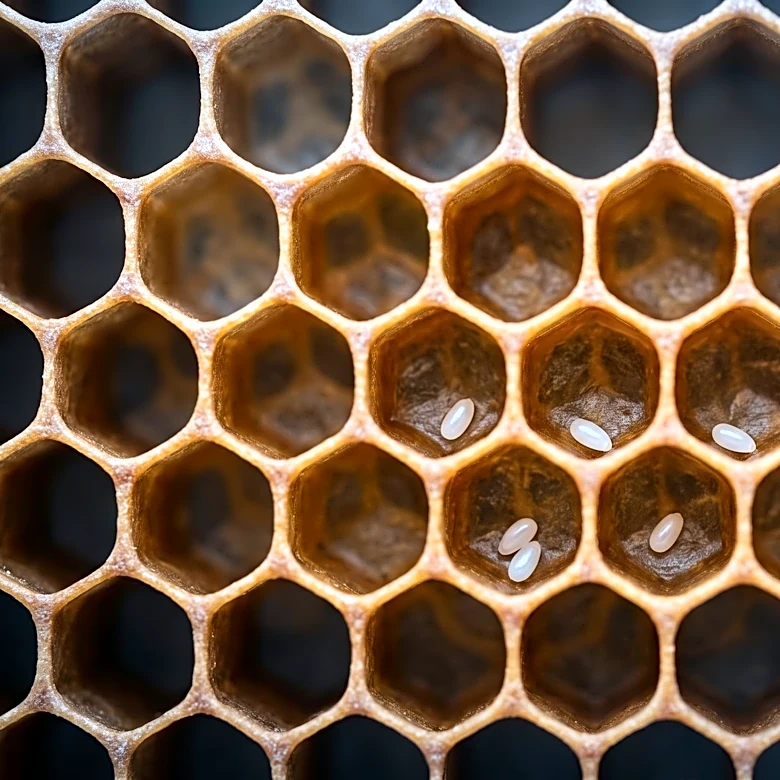
Researchers at the University of California, Davis, have uncovered a previously unknown survival mechanism in honeybee queens: they can transfer accumulated pesticides into their eggs. This process, termed maternal offloading, allows the queen to reduce her own chemical burden. The study, published in Current Biology, indicates that while worker bees typically filter harmful substances, their capacity can be overwhelmed, leading to pesticide accumulation in queens. The research involved creating 'nanocolonies' where queens and worker bees were exposed to methyl parathion, a pesticide tagged with a radioactive marker. Scientists tracked the pesticide's movement and found that while worker bees initially filtered out a significant portion, the queen began offloading the chemicals into her eggs over time. This finding suggests a complex interplay between individual bee survival and colony-wide health in the face of environmental contaminants.