Researchers Develop Living Plastic That Self-Destructs on Command, Reducing Environmental Impact
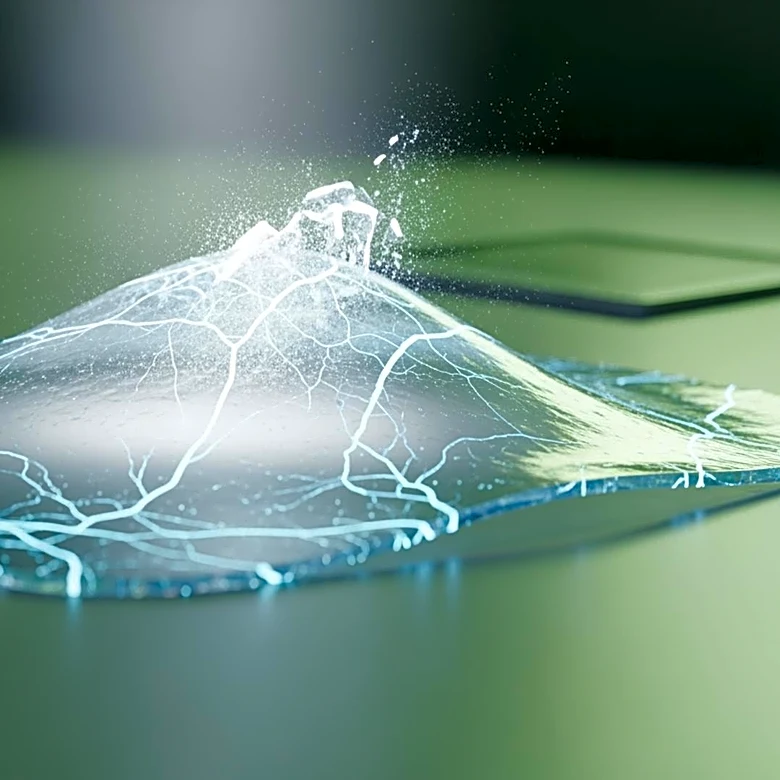
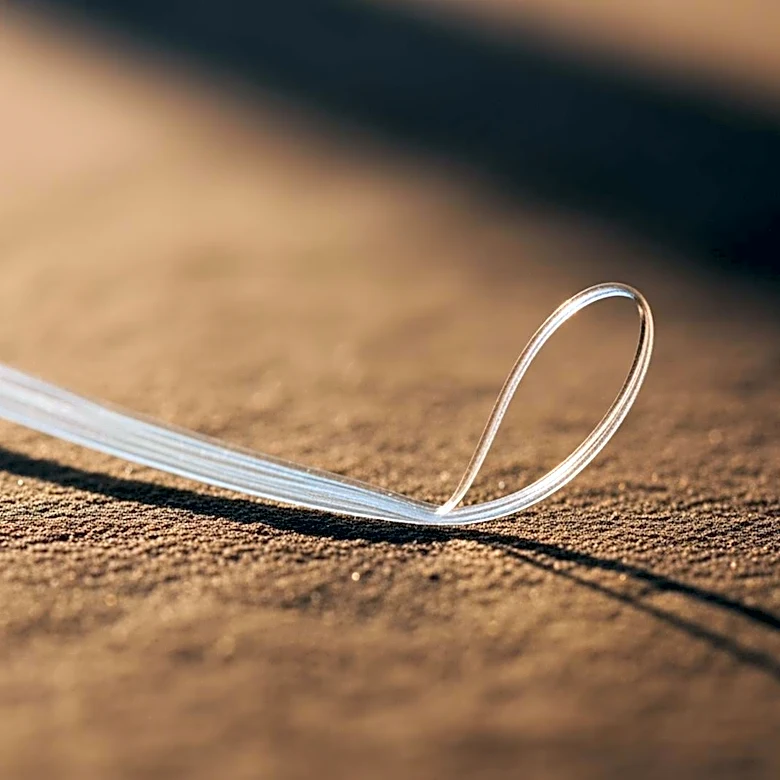
A team of researchers, including Dai, Jin Geng, and Dianpeng Qi, have developed a new type of 'living plastic' that can self-destruct on command, potentially addressing the environmental issues associated with plastic waste. This innovative material incorporates engineered Bacillus subtilis bacteria, which produce two cooperative enzymes capable of breaking down the plastic into its monomer building blocks. The first enzyme acts as a random chopper, cutting the polymer chains into smaller pieces, while the second enzyme further degrades these pieces. The living plastic is made by mixing the dormant spores of B. subtilis with polycaprolactone, a polymer used in 3D printing and surgical sutures. When exposed to a nutrient broth at 122 degrees Fahrenheit, the spores activate and degrade the plastic within six days, without creating microplastic particles.