Harvard Scientists Develop Shape-Morphing Artificial Muscles with 3D Printing
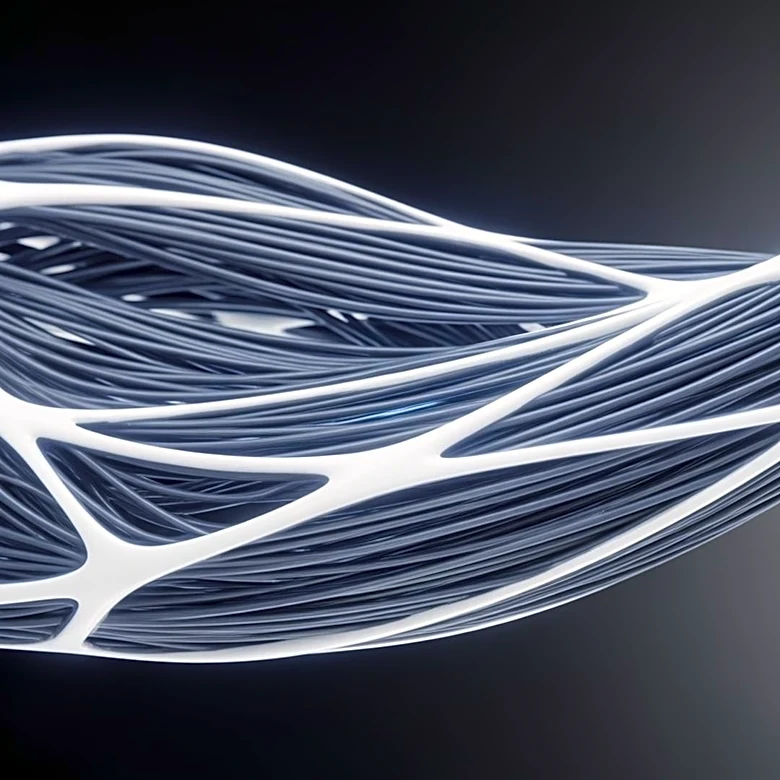
Researchers at Harvard University have developed a new 3D printing method that creates shape-morphing artificial muscles. This innovative technique involves using rotational multimaterial 3D printing to produce filaments that can bend, twist, expand, or contract when exposed to temperature changes. The filaments are made from a combination of active and passive materials, with the active component being a liquid crystal elastomer that contracts when heated. This breakthrough allows for the creation of complex, programmable structures that mimic the intricate motions of biological muscles.