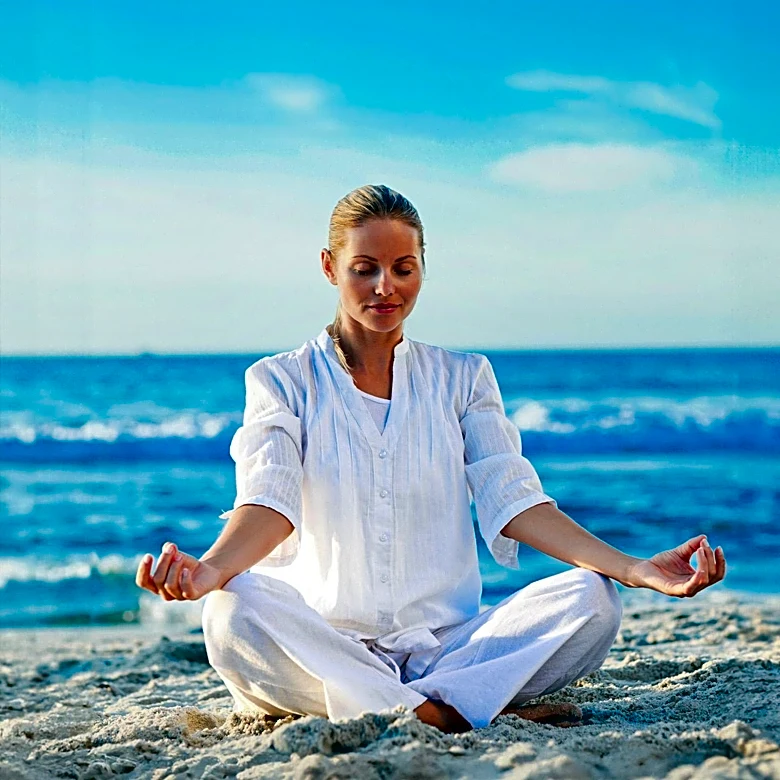
Mental Health Self-Care Emphasized as Complement to Professional Treatment
Self-care for mental health involves adopting small, realistic habits that align with individual circumstances, according to public health guidance from the National Institute of Mental Health (NIMH) and the World Health Organization (WHO). These habits can include rest, movement, social connection, and engaging in enjoyable activities, all aimed at supporting emotional and physical well-being. The approach emphasizes starting with manageable actions and adjusting them as needs evolve, rather than adhering to a rigid routine. While self-care can help individuals cope with ordinary stress and complement professional treatment, it is not a substitute for professional help when distress is severe, persistent, or significantly disrupts daily life. The NIMH clarifies that self-care is a component of mental health maintenance, not a replacement for clinical care. The goal is to identify practical steps that make daily life more manageable and to seek additional support when necessary, rather than blaming oneself...