Artemis II Launch Causes Significant Ionospheric Disturbances Across North America, Affecting GPS Signals
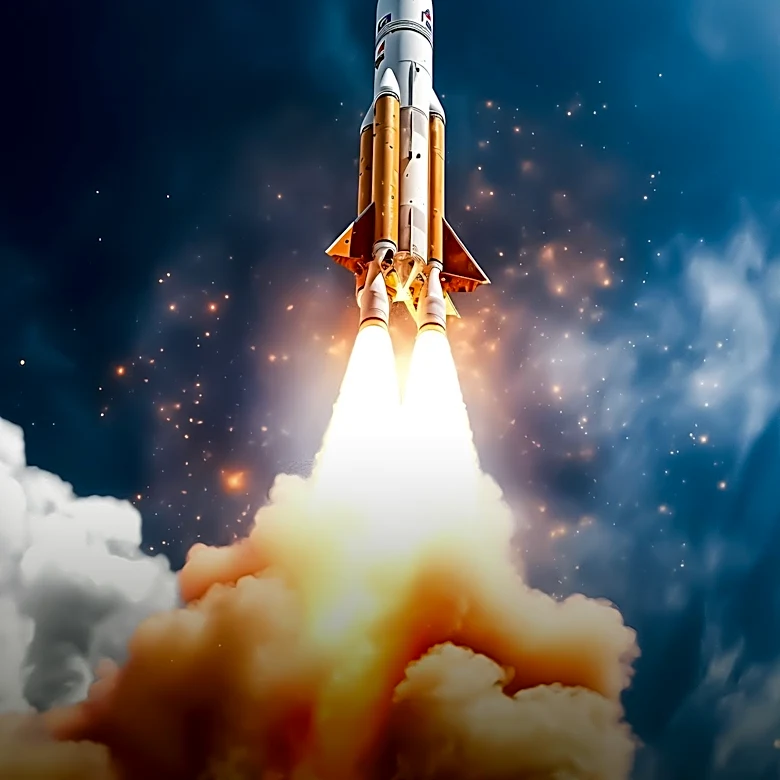
The recent Artemis II launch, which sent four astronauts around the Moon, caused measurable disturbances in the Earth's ionosphere, extending approximately 3,100 miles (5,000 kilometers) across North America. Researchers, utilizing existing ground-based GPS stations, detected changes in electron concentrations that were equivalent to positioning errors of several meters. The Space Launch System (SLS) rocket produced two distinct disturbances: one from its 212-foot (65-meter) core stage and a more prominent one from two later upper-stage thruster burns. This effect was reported to be up to 10 times more intense than disturbances observed after SpaceX Starship test launches, despite Starship having roughly twice the liftoff thrust of the SLS. The term 'hole' in the atmosphere, used in some headlines, refers to temporary regions of depleted electrons, which eventually refill, rather than a permanent breach or broad GPS outage.